A Mirror for Riga Technical University
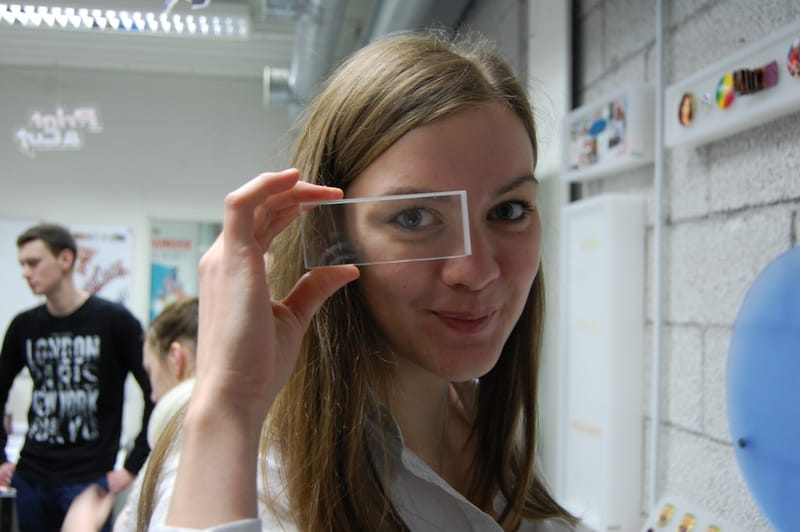
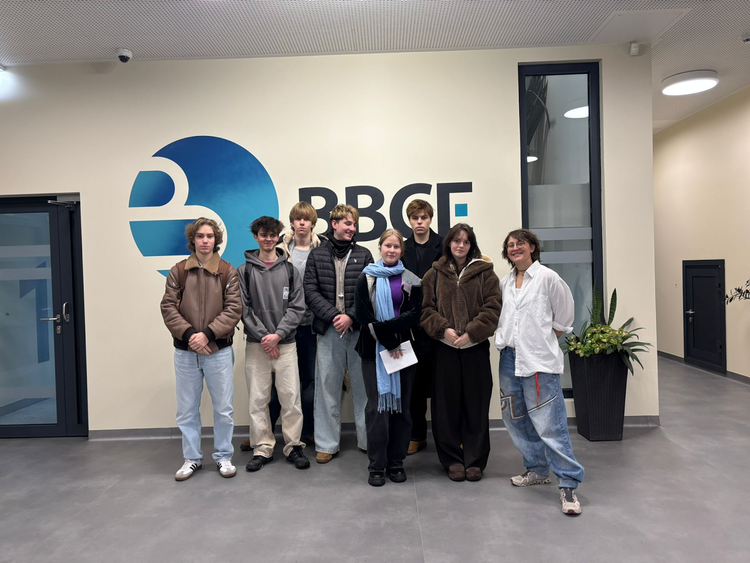
Every so often, it is important for us to look into a mirror to get a fresh viewpoint of things we might have missed. This process is not only important for people, but for cities, regions and universities too. That is why students from the RTU International School of Science and Technology were given the chance to see Riga Technical University from another angle – through the eyes of curious young journalists.
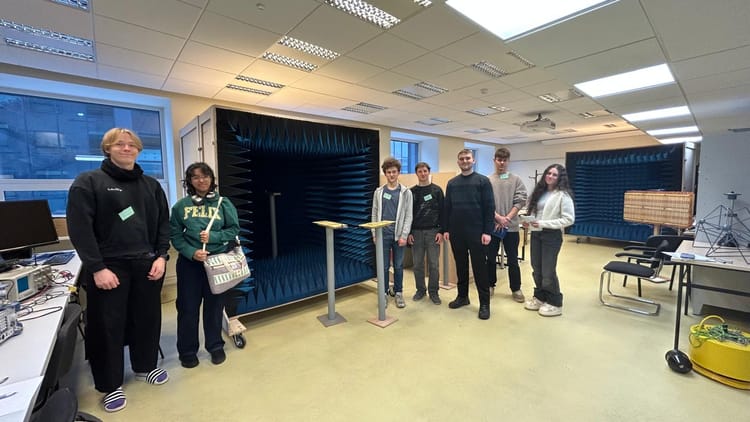
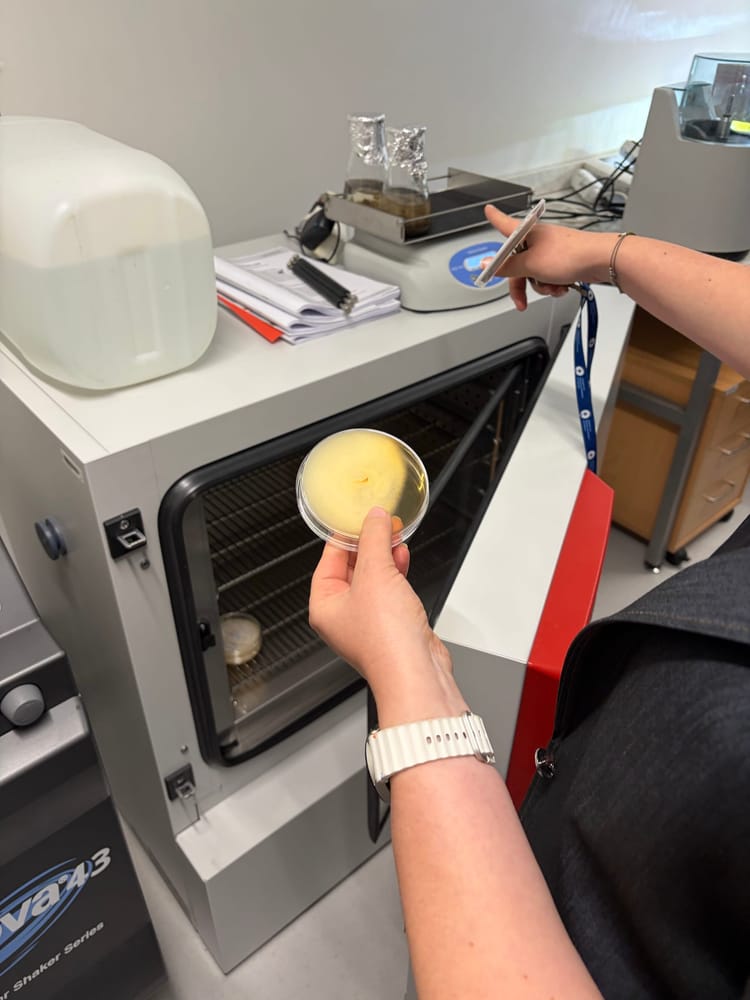
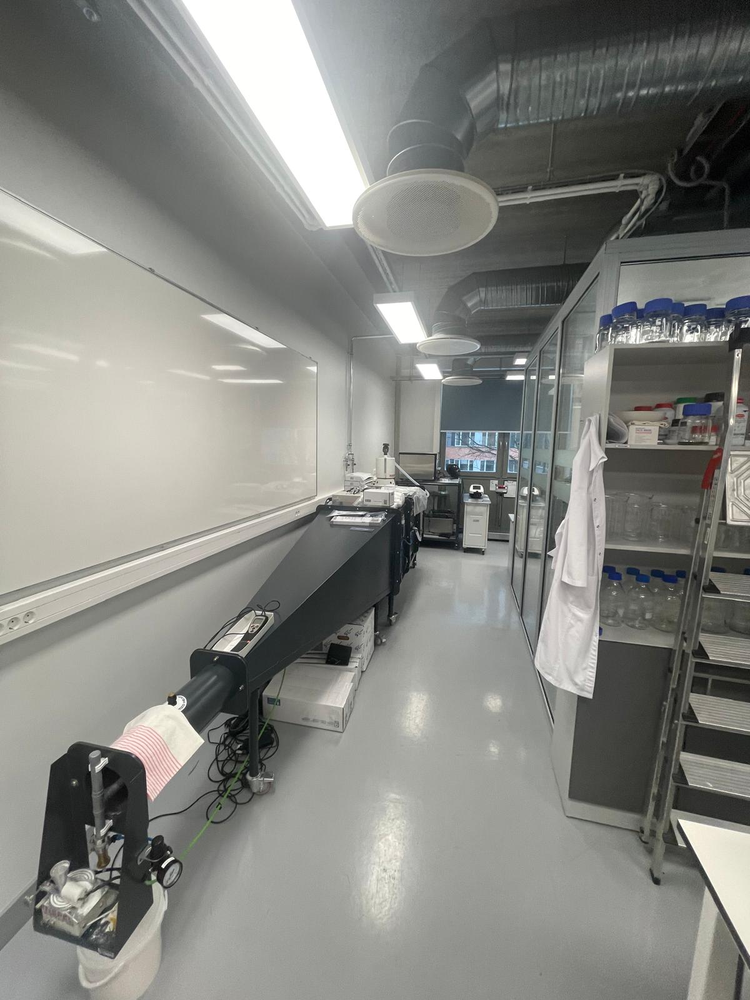
Like in any “Journalist” game, the goal was for the students to discover what goes on at the university, what technologies are being developed, and who the people behind these innovations are. During this one-day “journalistic expedition,” the students visited five unique RTU laboratories:
- Fiber Optic Transmission Systems Laboratory (led by Lilita Ģēģere)
- Accredited Laboratory for Personal Protective Equipment (led by Inga Dāboliņa)
- Scientific Laboratory for 3D Concrete Printing (led by Māris Šinka)
- Welding Laboratory (led by Didzis Avišāns)
- X-ray Radiation Laboratory (led by Vineta Zemīte)
In a short time, the students managed to speak with professionals, learn about each lab’s activities, and ask many questions. How do fibre optic transmission systems work, and why is precise adjustment so important? What testing do personal protective equipment items undergo? What makes 3D printing with concrete so special? What are the secrets of modern welding, and why is it still vital in industry? Why study materials using X-ray radiation, and how do we keep staff safe?
Each laboratory revealed its own world. Some focused on engineering calculations, while others dealt with safety and environmental issues, or showed how creative thinking and daring experimentation can lead to new solutions. Yet they were all united by one thing: a passion for discovery and a desire to create ideas that could benefit society in the future.
Acting as journalists, the students not only discovered scientific research but also learned to overcome shyness so they could ask for more details or seek clarification. They did short interviews, took photos of interesting equipment, and checked technical terms on the spot. It was both exciting and highly engaging.
As with other “mirror” games, the main aim was to see how quickly a piece of journalistic work can be created, from first impressions to the finished article or photographs, all ready for online publication. The students learned to produce vivid reports that reflect their own understanding of what they saw. At the same time, they realised the importance of being responsible for every fact, every phrase, and the overall structure of the story.
Did these older students manage to match the university’s pace in just one day and spot the key features of scientific work in the labs? Did they find anything mysterious or inspiring in these seemingly technical and sometimes complex processes? How valuable were their discussions with the experts, and did these help them expand their views on advanced technologies and possible future careers?
Now it is up to the readers to decide. We hope that this “mirror reflection” of Riga Technical University, as seen through the eyes of young journalists, will be both interesting and convincing and that it will spark thoughts about the university’s role in driving science and technology forward – today and in the future.