A glimpse to the other side – 'Everything will be Fine' by Stanislavs Tokalovs
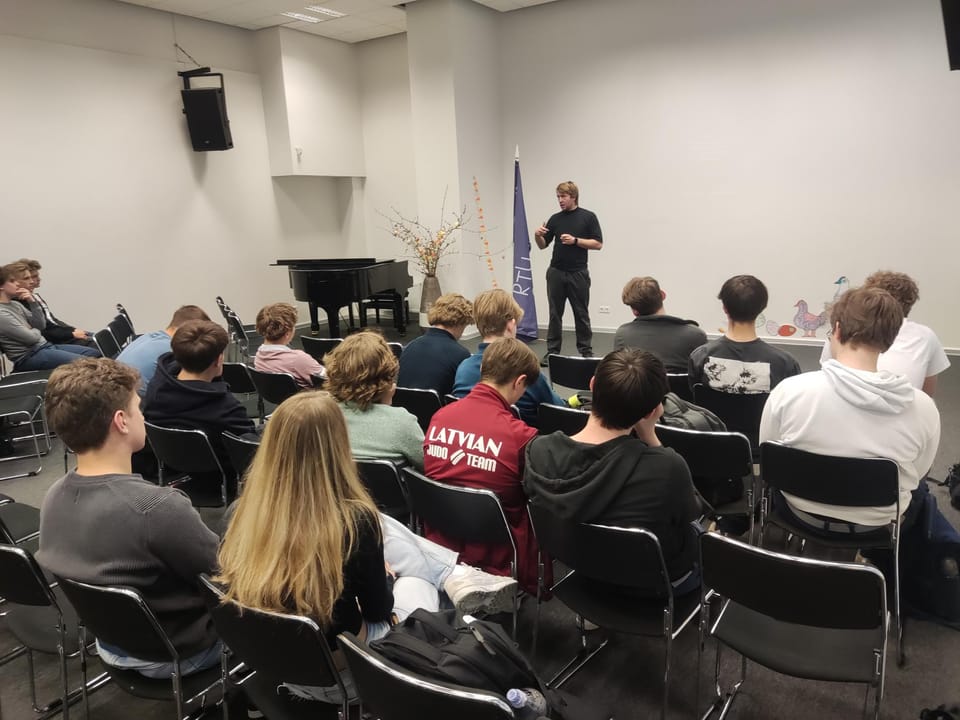
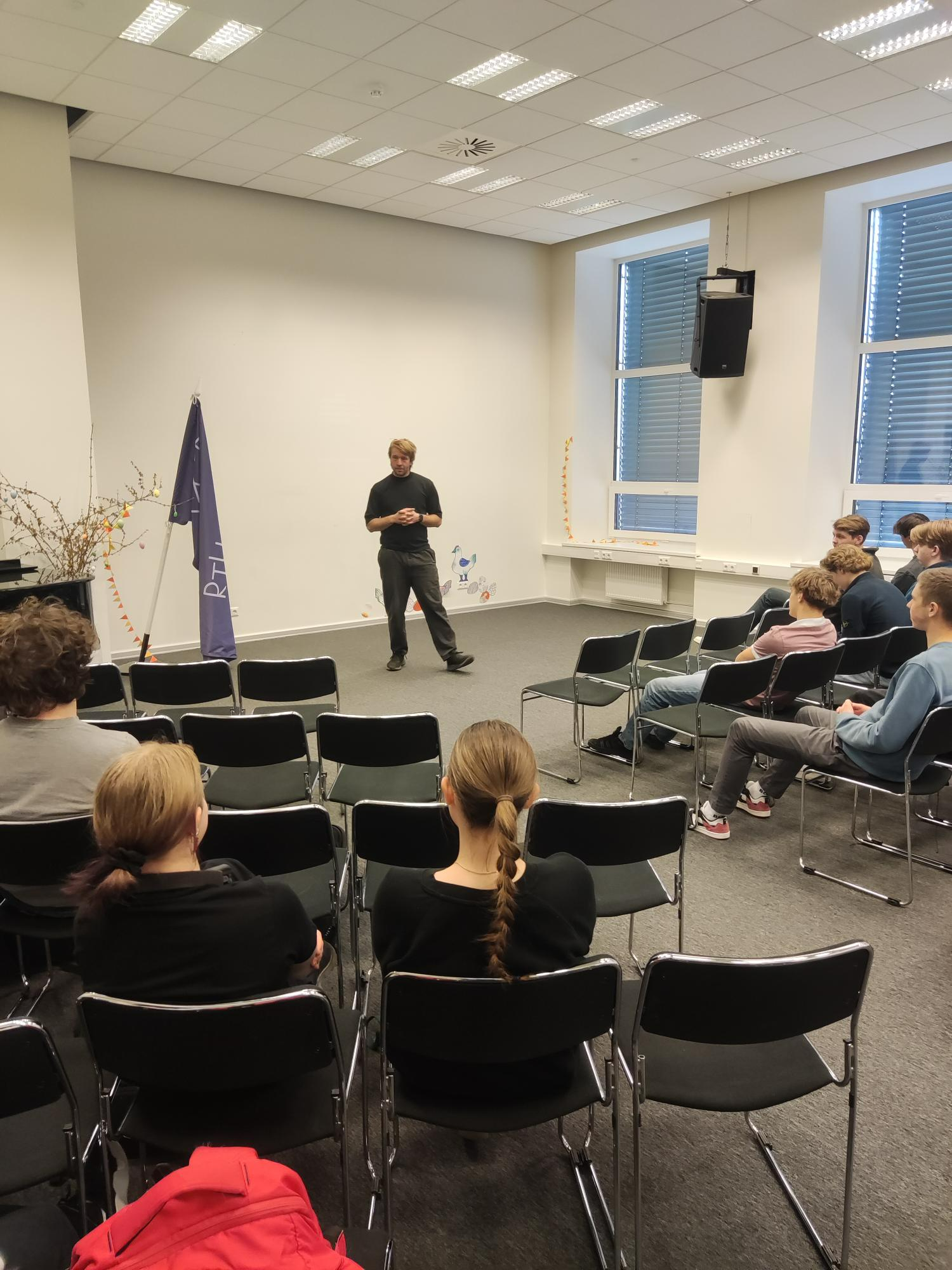
This week, our usual curriculum of circuits, code, and integration took a thoughtful detour when Latvian filmmaker Stanislavs Tokalovs visited our school. Tokalovs, the director of Viss Buss Labi—a powerful documentary exploring the experiences of the Russian minority in Latvia—did more than just screen his film. He opened a window into a world many of us had never truly considered and gave us a compelling reminder of why art and storytelling matter, even in our engineering world.
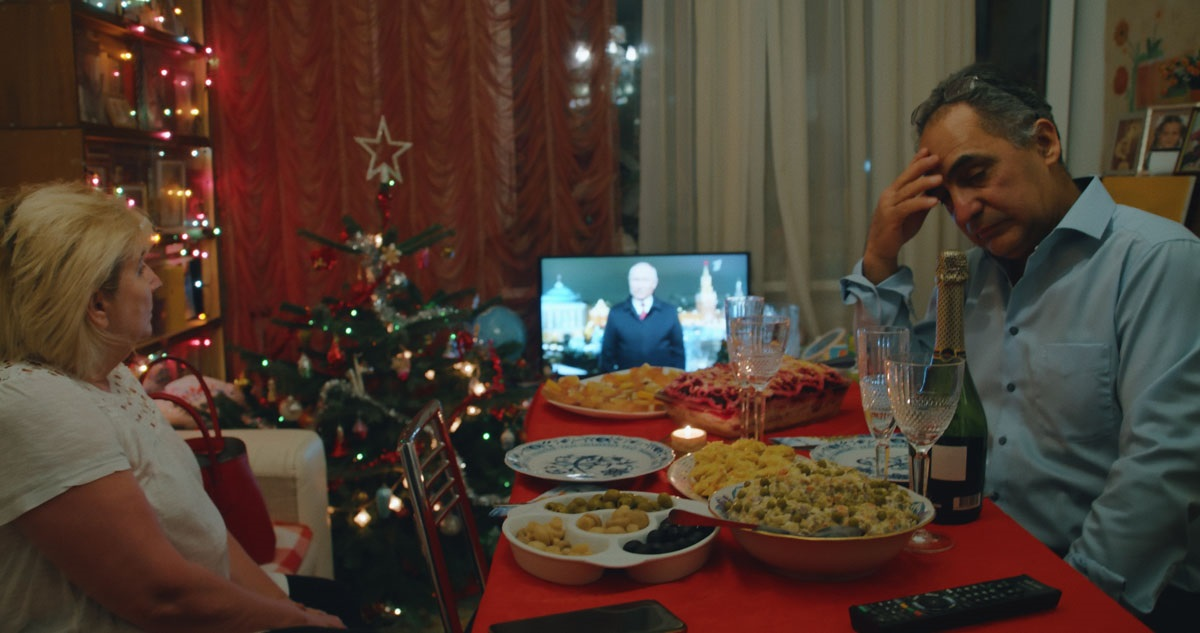
Viss Buss Labi (which translates to "Everything Will Be Fine") is not a simple political statement. It’s a textured, human portrayal of identity, belonging, and the quiet tension of cultural duality. Through deeply personal filming of his own family that spanned 5 years, Tokalovs brings to life the everyday experiences of Russian-speaking Latvians who navigate a society where they are both a part and apart. The film was nominated for two 2023 Lielais Kristaps awards, winning in the category of "Best Feature-Length Documentary".
For us as engineering students, the film was a refreshing and sobering shift in perspective. We’re trained to solve problems with logic and precision, but Tokalovs challenged us to consider the human element behind the numbers—to see systems not only as efficient or flawed, but as lived realities.
After the screening, Tokalovs spoke with us about the motivations behind his work. He shared his personal connection to the topic, being a part of the minority himself, the research and emotional labor that went into filming, and the many ethical questions he had to navigate. He also offered a candid look at the life of an artist: the instability, the vulnerability, but also the purpose and drive that keep creators going. It was eye-opening to hear about a life driven not by deadlines or financial success, but by questions, doubt, and a desire to share with the world what you find beautiful.
For many of us, this was the first time we had encountered such a direct intersection between art and society—and it left an impression. Tokalovs reminded us that while our fields may differ, we all rely on curiosity, observation, and a desire to improve the world around us. His film may not have solved an engineering problem, but it solved a different kind: how to foster empathy in a divided society.
We’re grateful for the visit, and for the chance to step back and consider the world not just through data, but through the lens of lived experience.