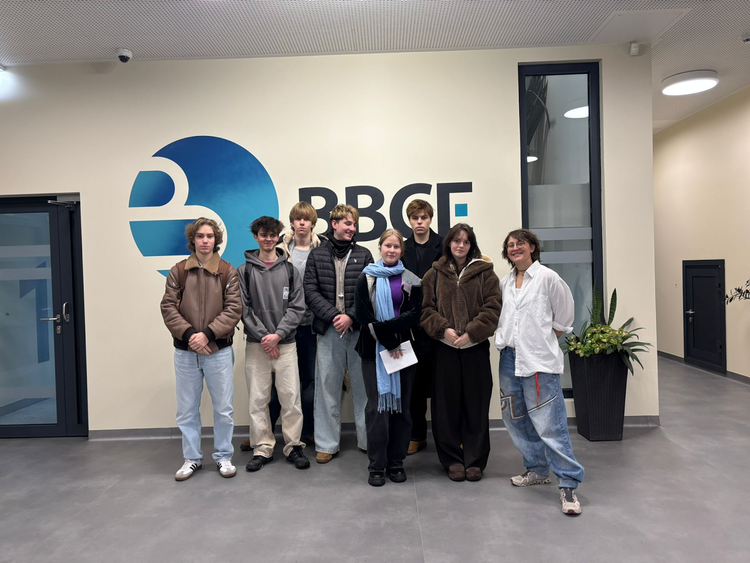
Exploring the Future of Communication: A Visit to RTU’s Fiber Optic Transmission Systems Laboratory
On our recent visit as journalists to Riga Technical University (RTU), we had the opportunity to explore three different laboratories, each contributing to the advancement of communication technology. Our visit included the Fiber Optic Transmission Systems Laboratory, where cutting-edge fiber optic research takes place together with Toms Salgals, a meeting with Elans Grabs, who is developing an independent 5G network, and a hands-on experience with optical fiber splicing.
Insights from Our Visit
During our tour, we engaged with researchers and asked key questions about their work. We quickly realized that the terminology used by the experts was highly complex, precise, and, at times, difficult to grasp. The researchers demonstrated a deep understanding of their field, and their passion for fiber optic communication was evident. The people working in the lab appeared incredibly smart and focused, fully immersed in the intricacies of their research.
Toms Salgals, who has been working in the lab for over ten years, shared valuable insights into the advancements made over the years. According to him, the lab typically has around 5 to 10 people working on various projects, though at the time of our visit, we only met Toms and another researcher, Dmitrijs. Toms and Dmitrijs both had a calm and confident demeanor, exuding both intelligence and enthusiasm for their work.
Cutting-Edge Equipment and Research
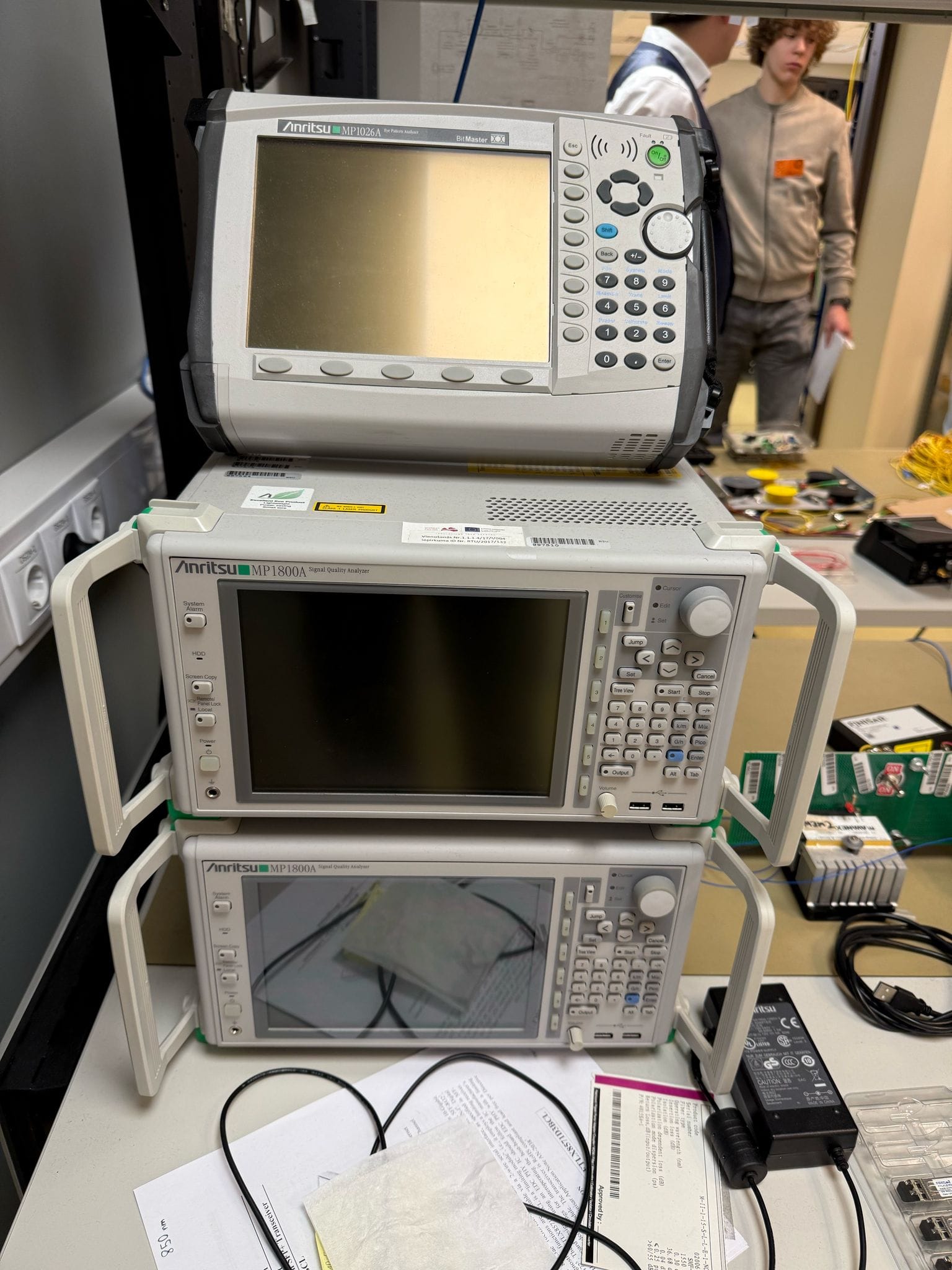
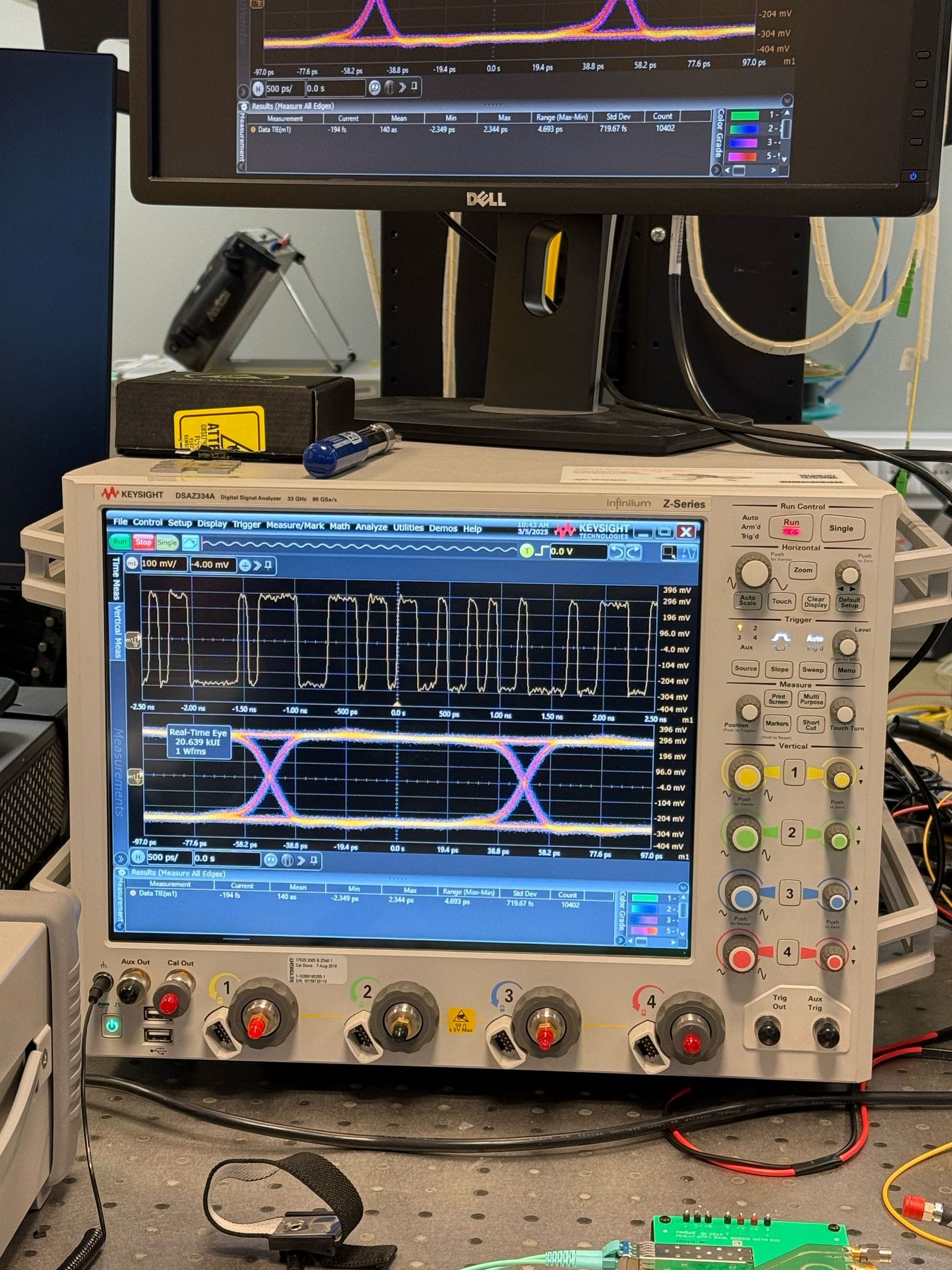
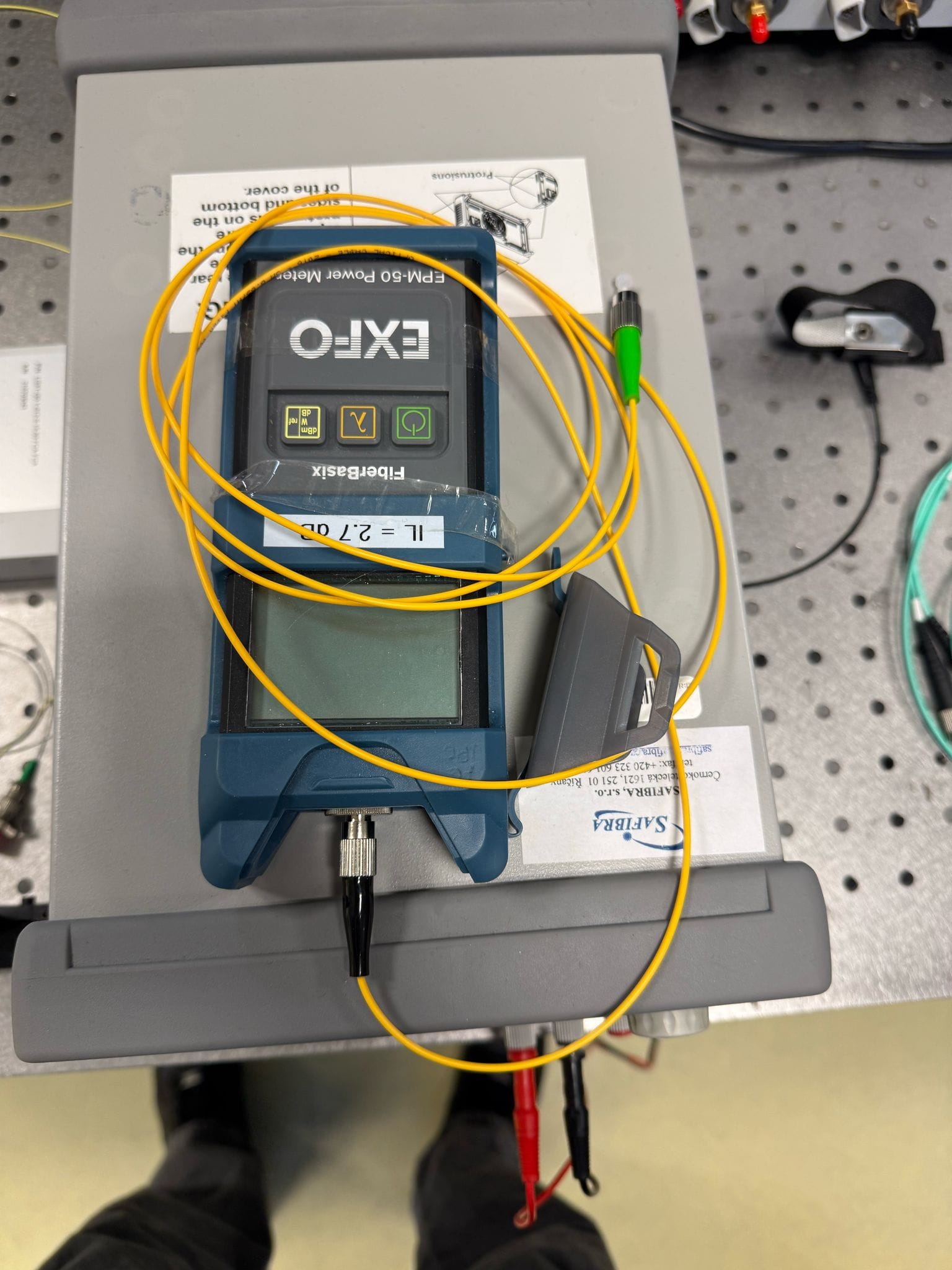
The laboratory is equipped with state-of-the-art instruments, including:
- Optical spectrum analyzers
- High-speed oscilloscopes
- Precision laser sources
- Photonic microchip testing stations
- Electrolysis machine (self-made)
These tools allow researchers to test and refine new technologies that could shape the future of global communications. One of the exciting projects in progress involves the development of next-generation optical fibers that can support even higher data rates with minimal energy consumption.
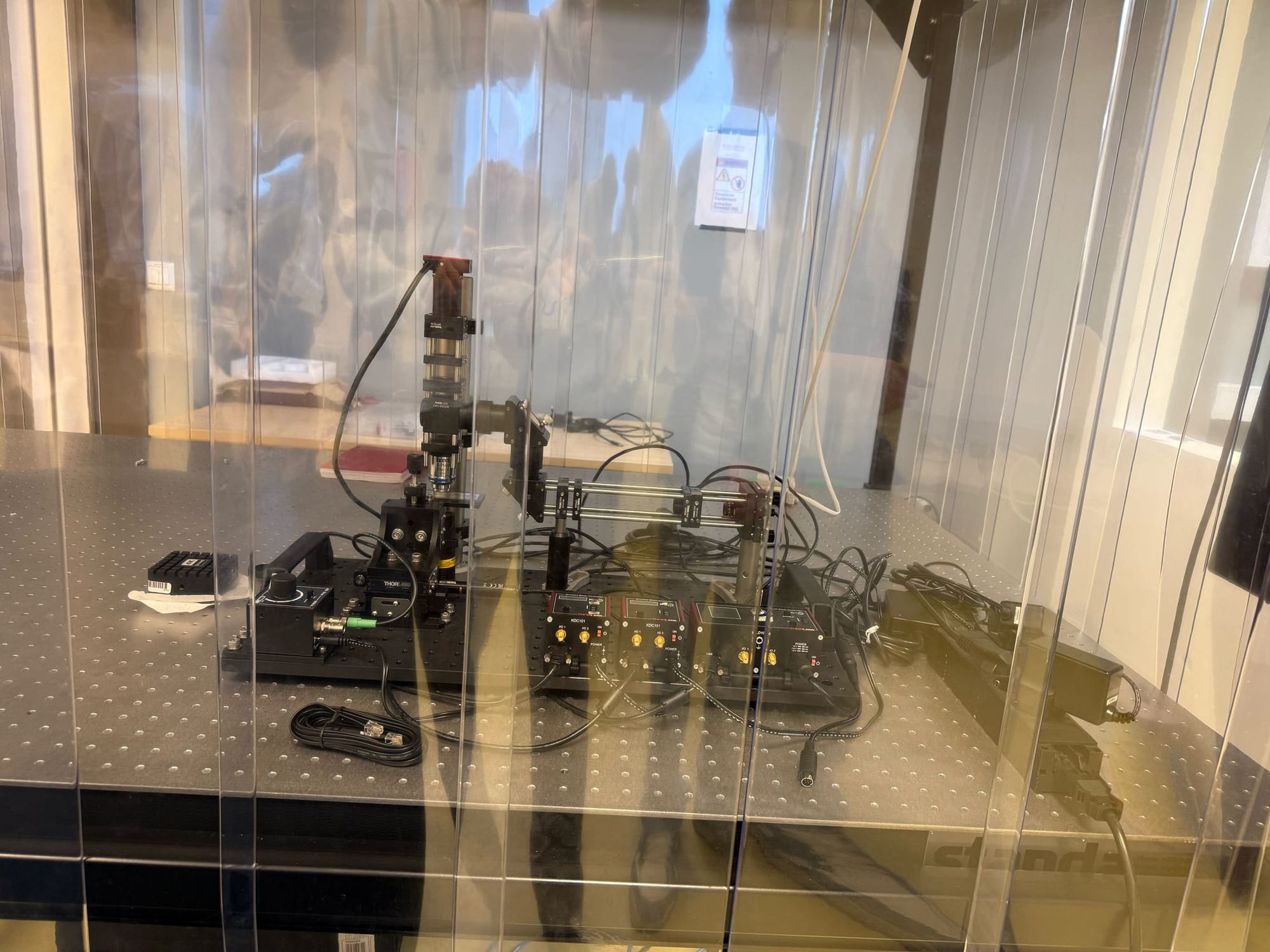
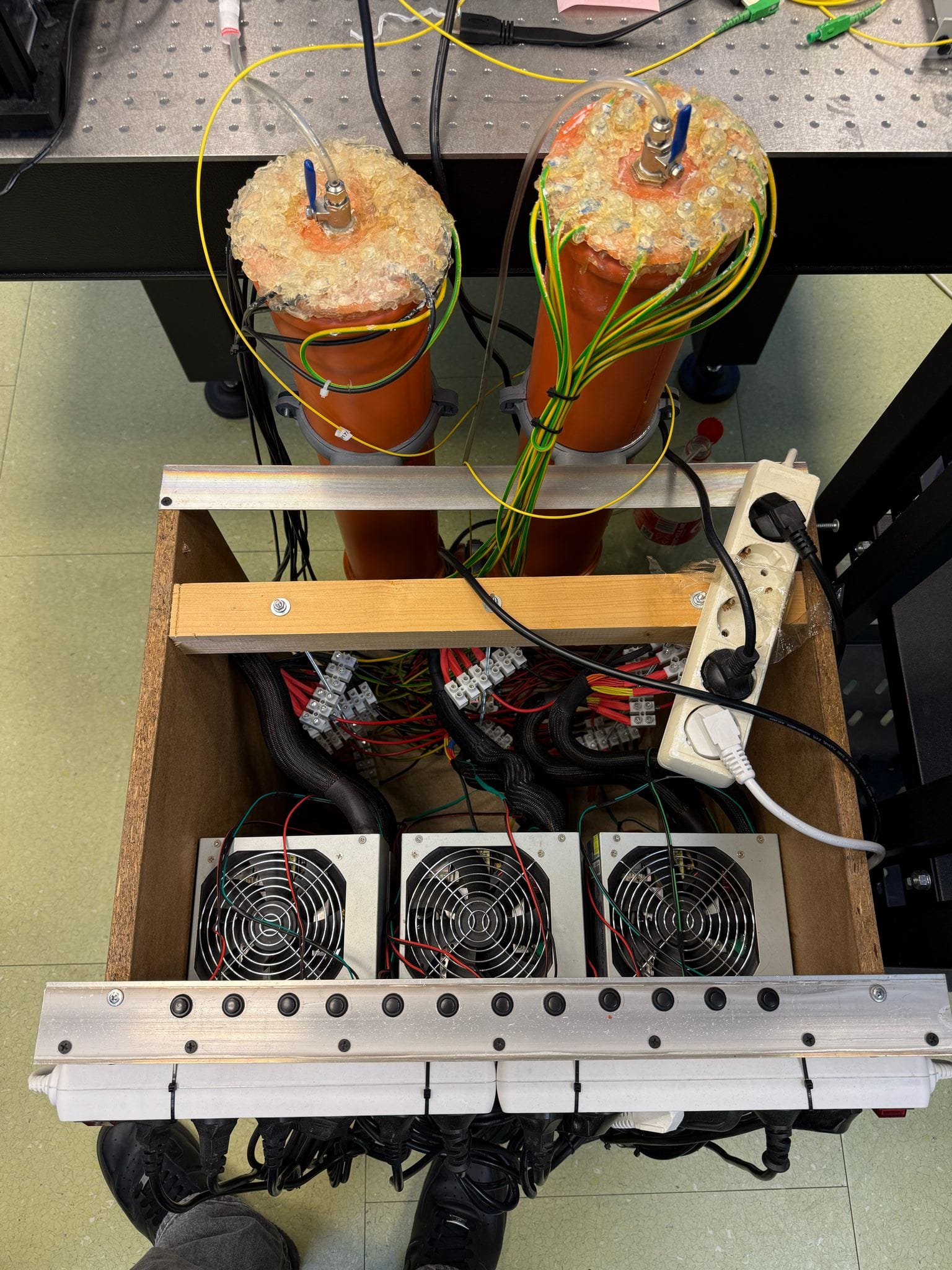
A Laboratory That Has Grown Over Time
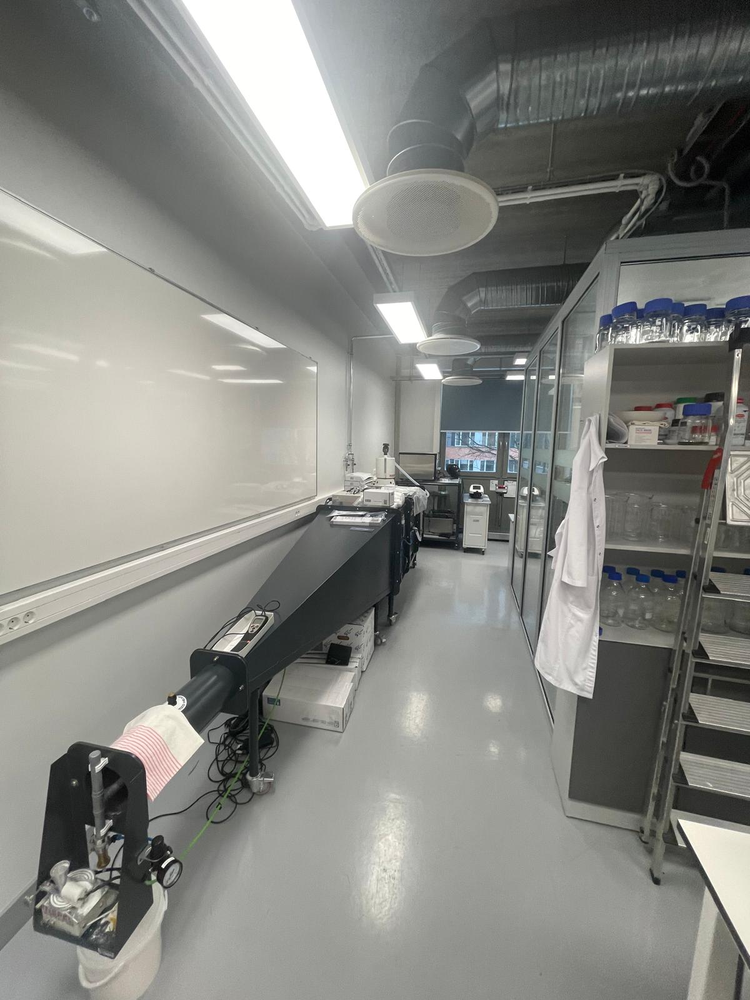
What struck us was how the laboratory had evolved. Initially, it started as a single small room, but over time, it expanded to accommodate more advanced research and additional equipment. Despite the advancements, the lab still had a somewhat chaotic feel to it. From our perspective, the room seemed messy, filled with different types of fiber optic cables, laser sources, and various high-tech instruments. However, to those working there, every piece of equipment had its place and purpose.
World Records in Data Transmission
RTU’s Fiber Optic Transmission Systems Laboratory has made history with multiple world records in data transmission. The team has achieved groundbreaking milestones, including setting the world record for data transmission rates using integrated laser technologies. Additionally, they hold a record for data transmission using Silicon Photonics modulator microchips, demonstrating their ability to push the boundaries of speed and efficiency in optical communication. These achievements solidify RTU’s position as a leader in fiber optic research and innovation.
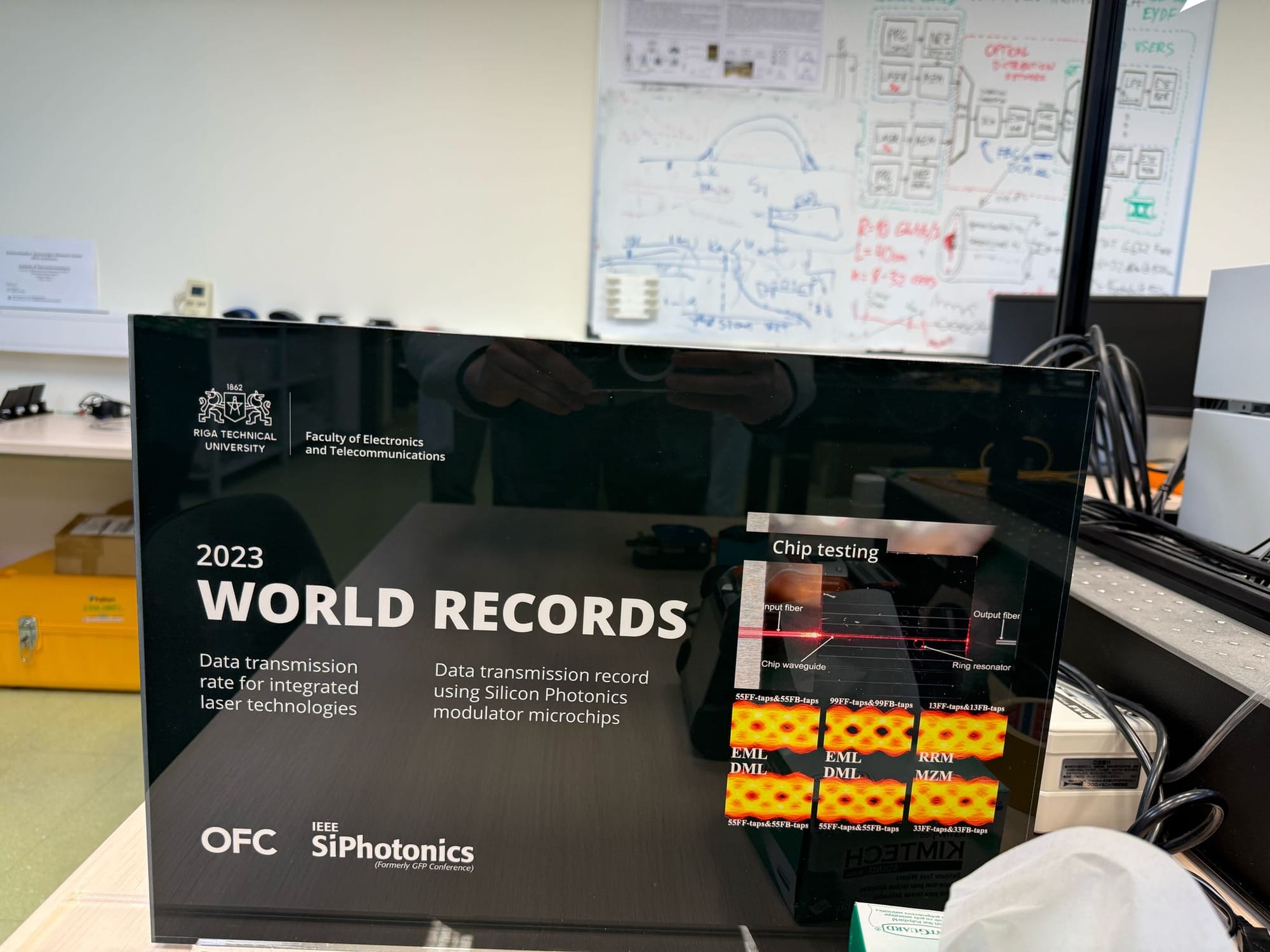
A Glimpse Into the Past: The Oldest Artifact in the Lab
Interestingly, there is only one old artifact that has been there since the very beginning of Toms Salgals’ journey in the lab. This roughly 10-year-old piece of equipment serves as a symbol of the lab's growth and history. While surrounded by cutting-edge technology, this artifact stands as a reminder of how far the laboratory has come in advancing fiber optic research.
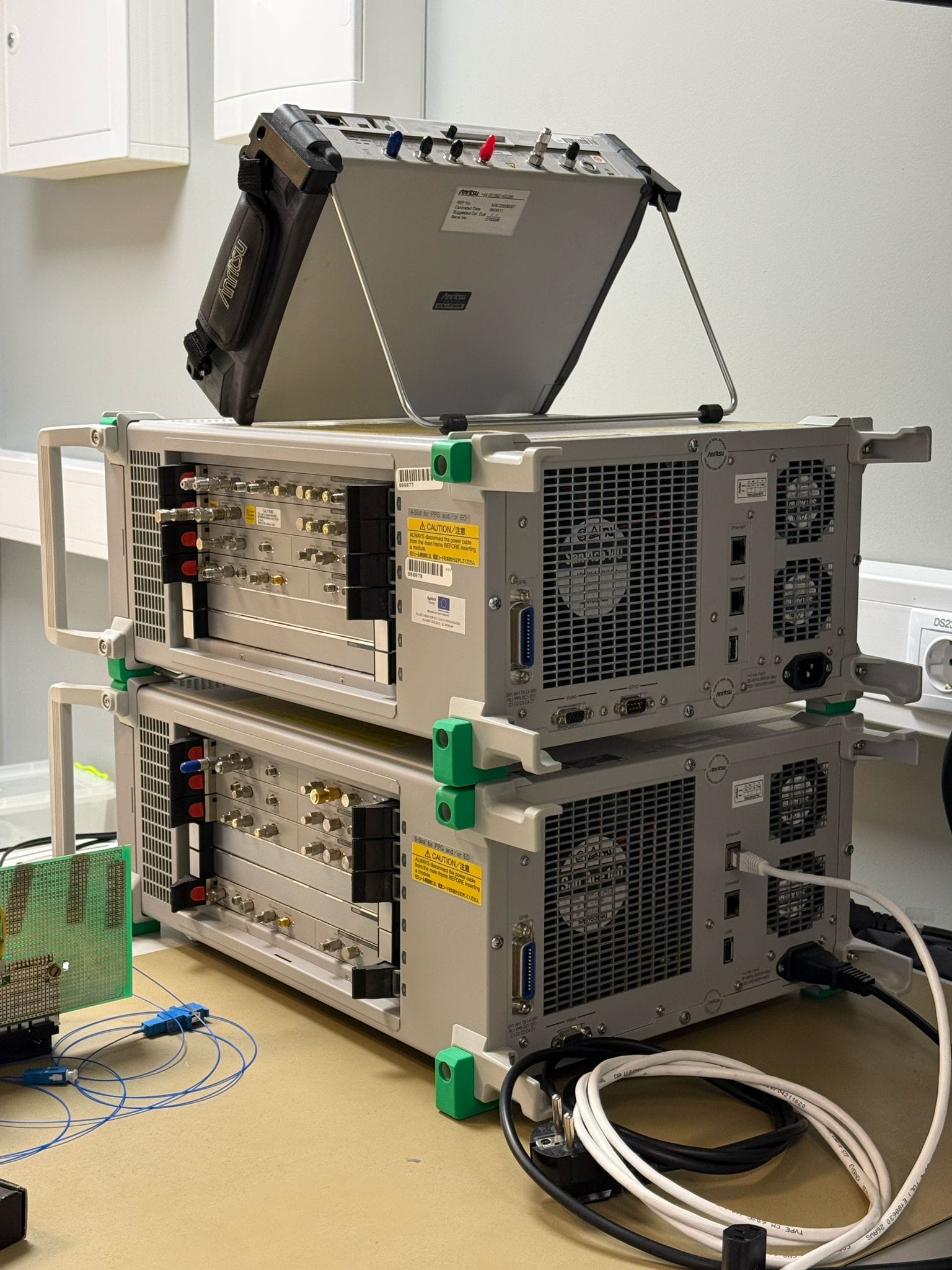
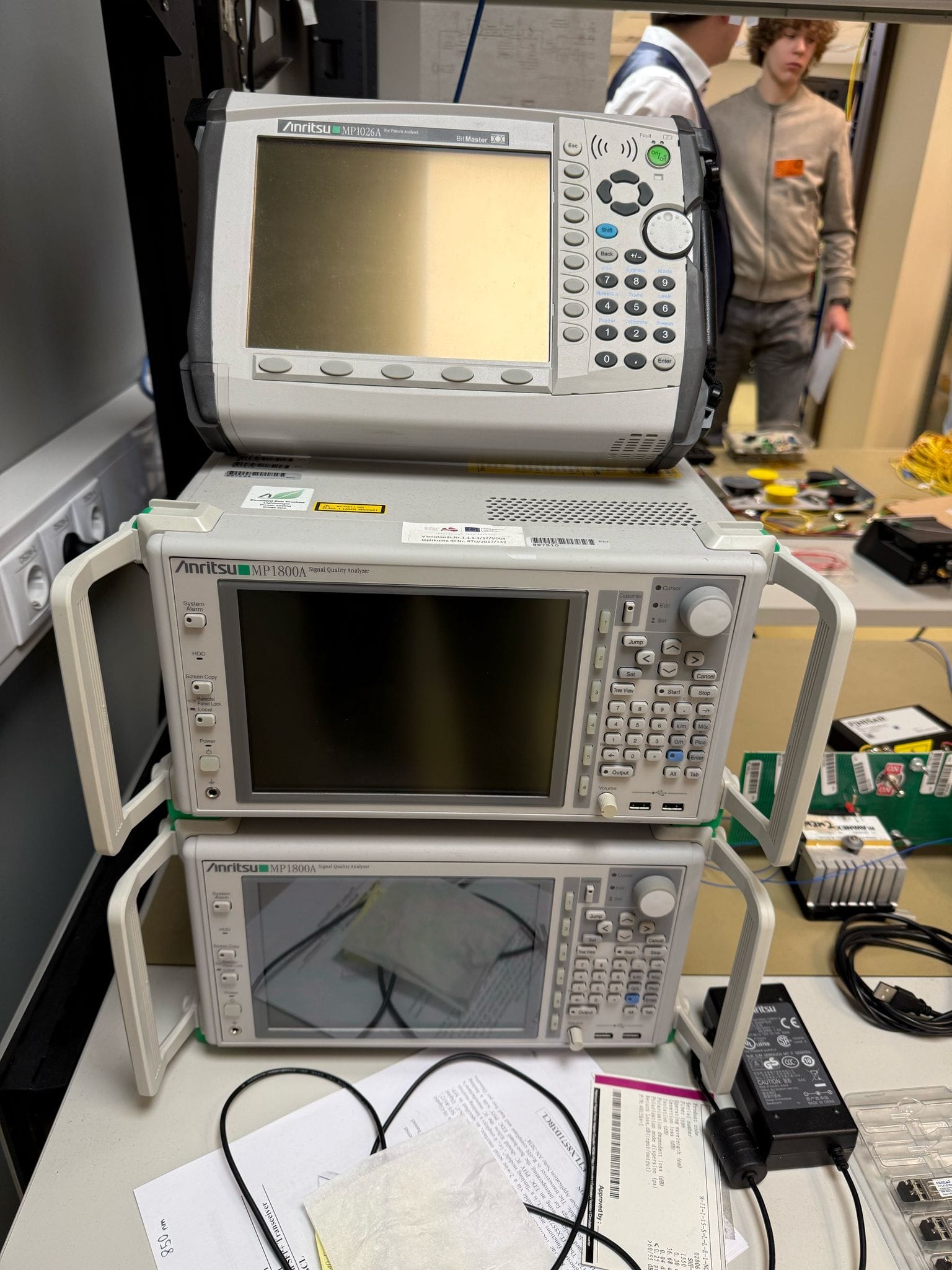
The Oldest Artifact in the Lab (Optical spectrum analyzer ~ 10-years-old)
Advancements in Nanophotonics
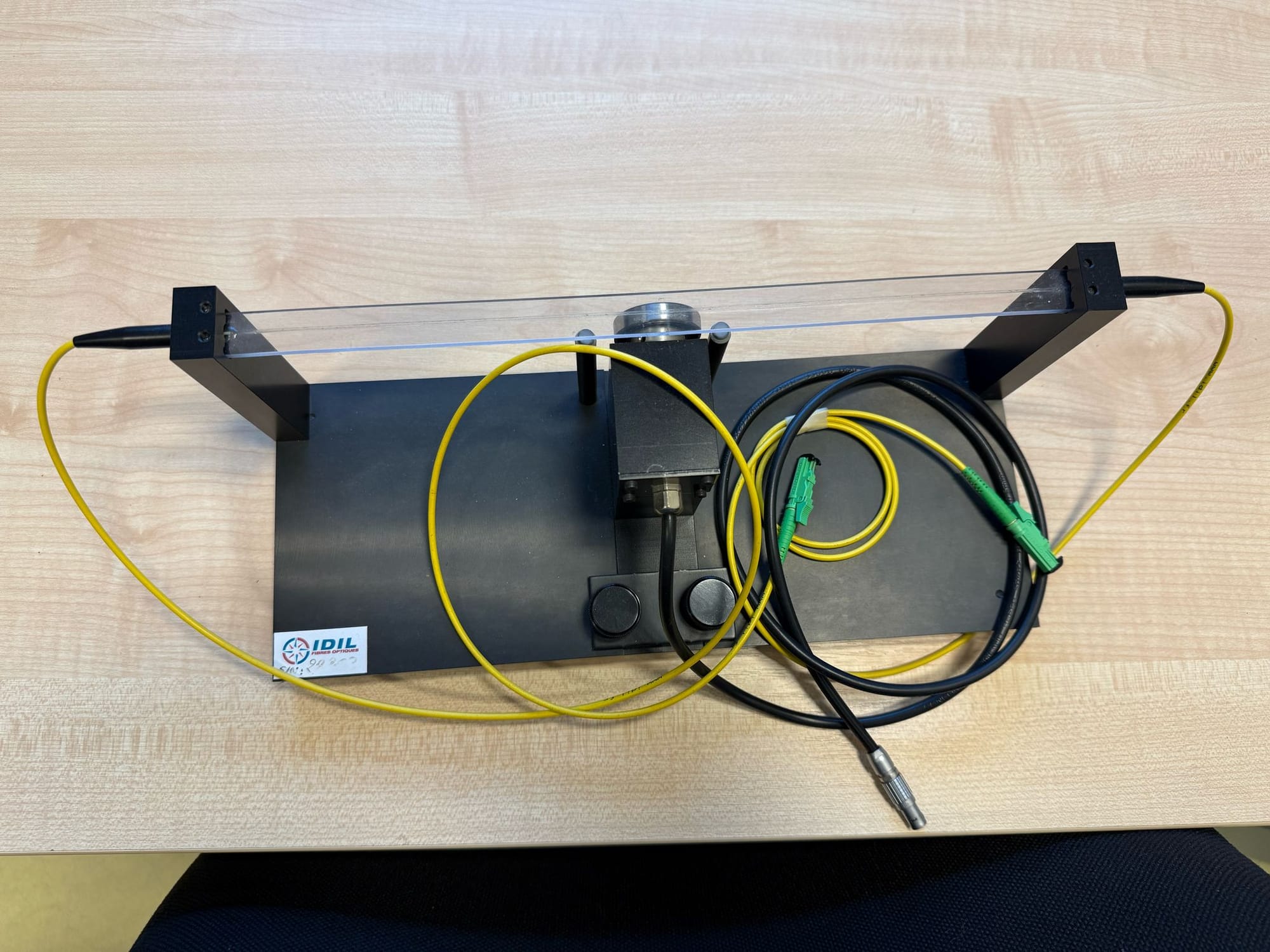
The laboratory has recently expanded into nanophotonics. Under Associate Professor Toms Salgals' leadership, the Nanophotonics Laboratory focuses on nanostructured optoelectronics, aiming to develop technologies that underpin modern and future communication systems. This research explores optical frequency combs (OFCs) based on whispering gallery mode resonators (WGMRs), which have potential applications in telecommunications by enhancing data transmission rates through multiple synchronized light sources from a single pump source.
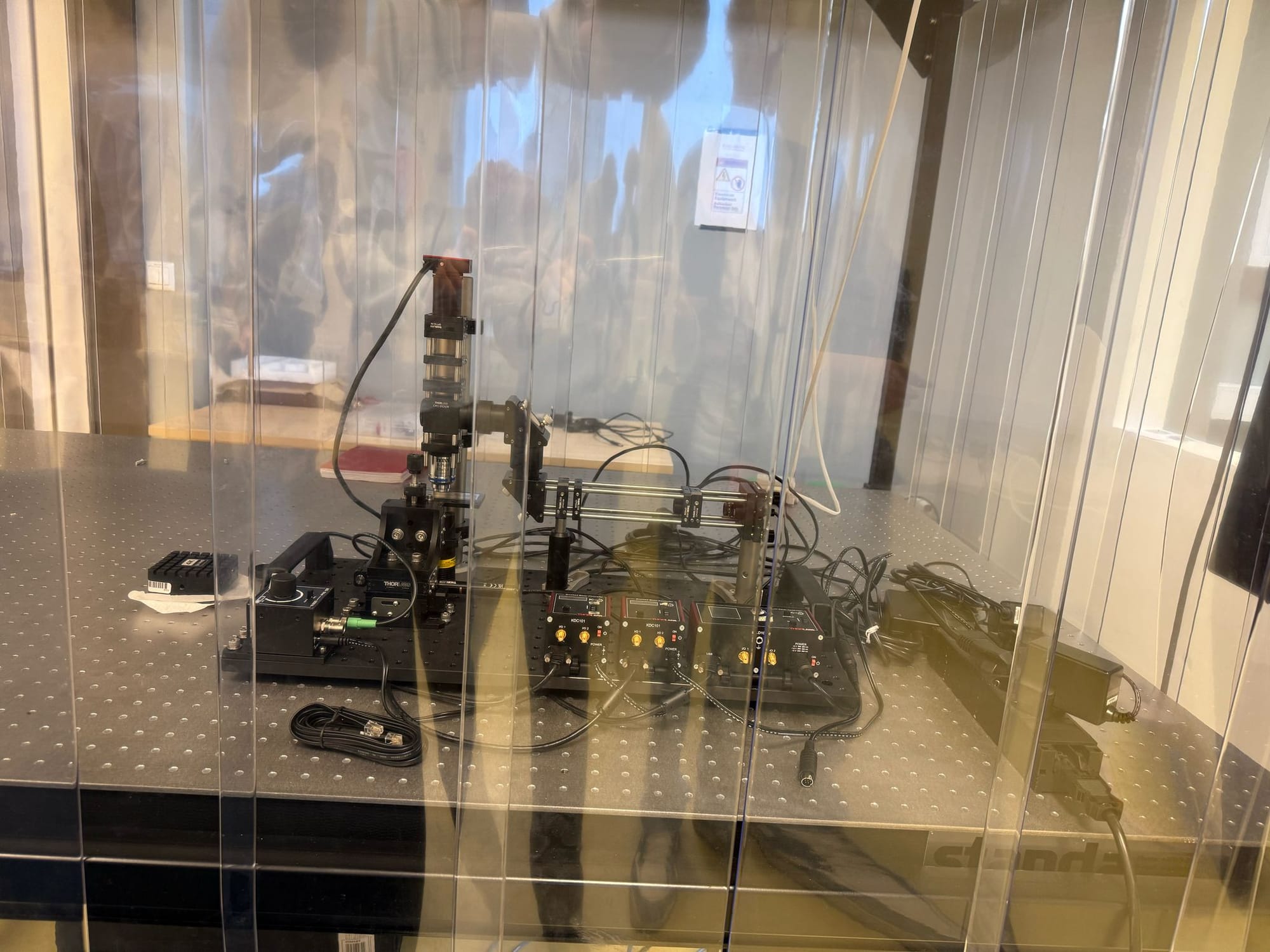
Microsphere-Based OFC-WGMR Multi-Wavelength Source and Its Applications
One key innovation at RTU’s laboratory is the development of a microsphere-based optical frequency comb (OFC) using whispering gallery mode resonators (WGMRs). This multi-wavelength light source is a breakthrough in telecommunications, allowing for efficient data transmission through multiple synchronized light channels. The technology significantly enhances optical network capacity, making it a crucial advancement for next-generation internet and data infrastructure. By utilizing these microsphere-based systems, researchers at RTU are pioneering new methods to optimize optical communication networks and ensure faster, more reliable data transfer.
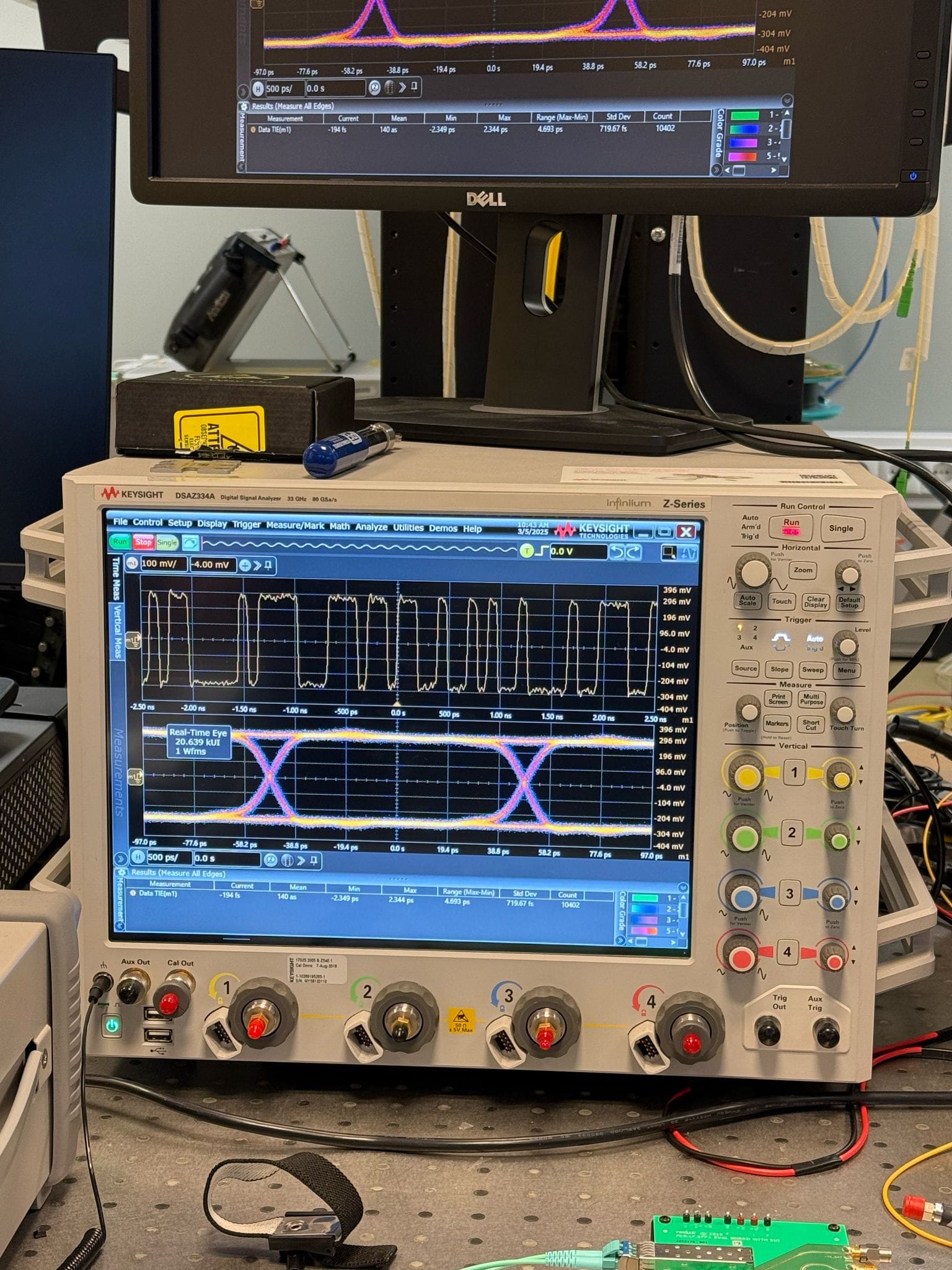
Underground Fiber Optic Monitoring in Cēsis and Jelgava
Beyond high-speed communication, RTU researchers are exploring practical applications for fiber optic technology in urban environments. They have placed fiber optic cables underground in cities like Cēsis and Jelgava, not only for communication but also for real-time traffic monitoring. These fibers can detect and analyze movement patterns, providing insights into vehicle flow and pedestrian traffic. This innovative approach highlights the versatility of fiber optic technology beyond traditional telecommunications and its potential to contribute to smart city infrastructure.
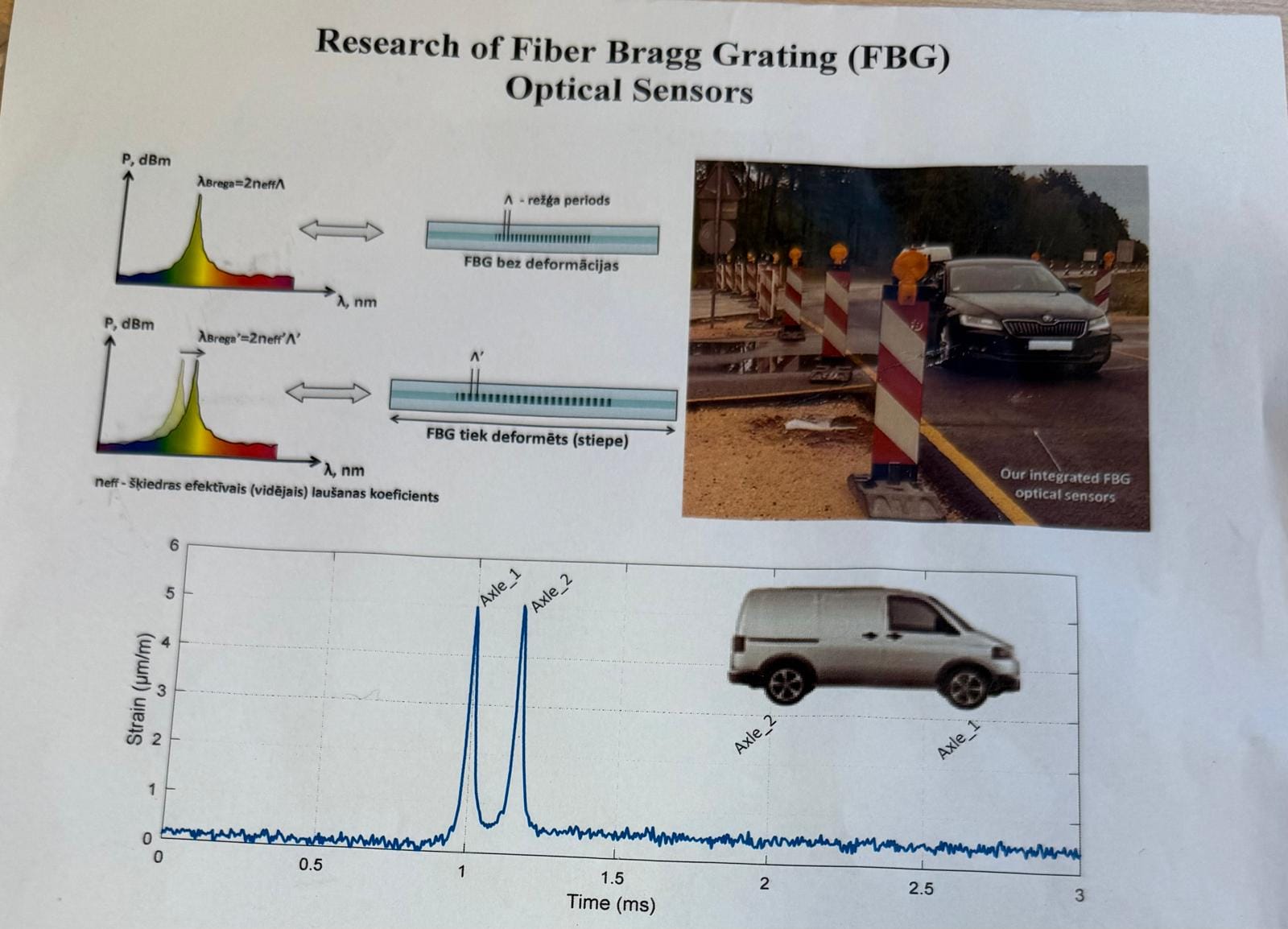
Development of Photonic Microchips
RTU is actively involved in developing photonic microchips, which are essential for next-generation optical sensors and communication technologies. The university's Communication Systems Technology Research Center has acquired advanced equipment, such as high-resolution optical spectrum analyzers, to facilitate this research. These developments position RTU at the forefront of photonics microchip technology, contributing to the advancement of optical communication systems.
Establishment of the National Microchip Competence Centre
In a significant move to bolster microchip research and development, the Latvian government has approved co-financing for establishing a national microchip competence centre. Coordinated by RTU, this initiative unites leading scientific and research institutions to drive innovation in specialized fields, including semiconductor microelectronics, silicon photonics, polymer photonics, and open-source semiconductor design. This centre aims to enhance Latvia's role in global supply chains and strengthen its position in the microchip industry.
Future Prospects: The Advancement of Photonic Microchips
One of the most promising research areas in the lab is the development of photonic microchips. These chips are set to revolutionize next-generation optical sensors and communication technologies. With advancements in miniaturization and efficiency, photonic microchips are expected to play a key role in future high-speed data transmission. Given RTU’s track record of breaking records and pushing the limits, their contributions to photonic microchip technology will likely be groundbreaking.
RTU's laboratory has also collaborated with a Belgian company to manufacture these chips using advanced lithographic laser printing. While the Belgian company is responsible for printing the chips, the fundamental design and construction of the chip were developed within RTU’s laboratory. This collaboration highlights the lab's growing international presence and its ability to translate research into real-world applications.
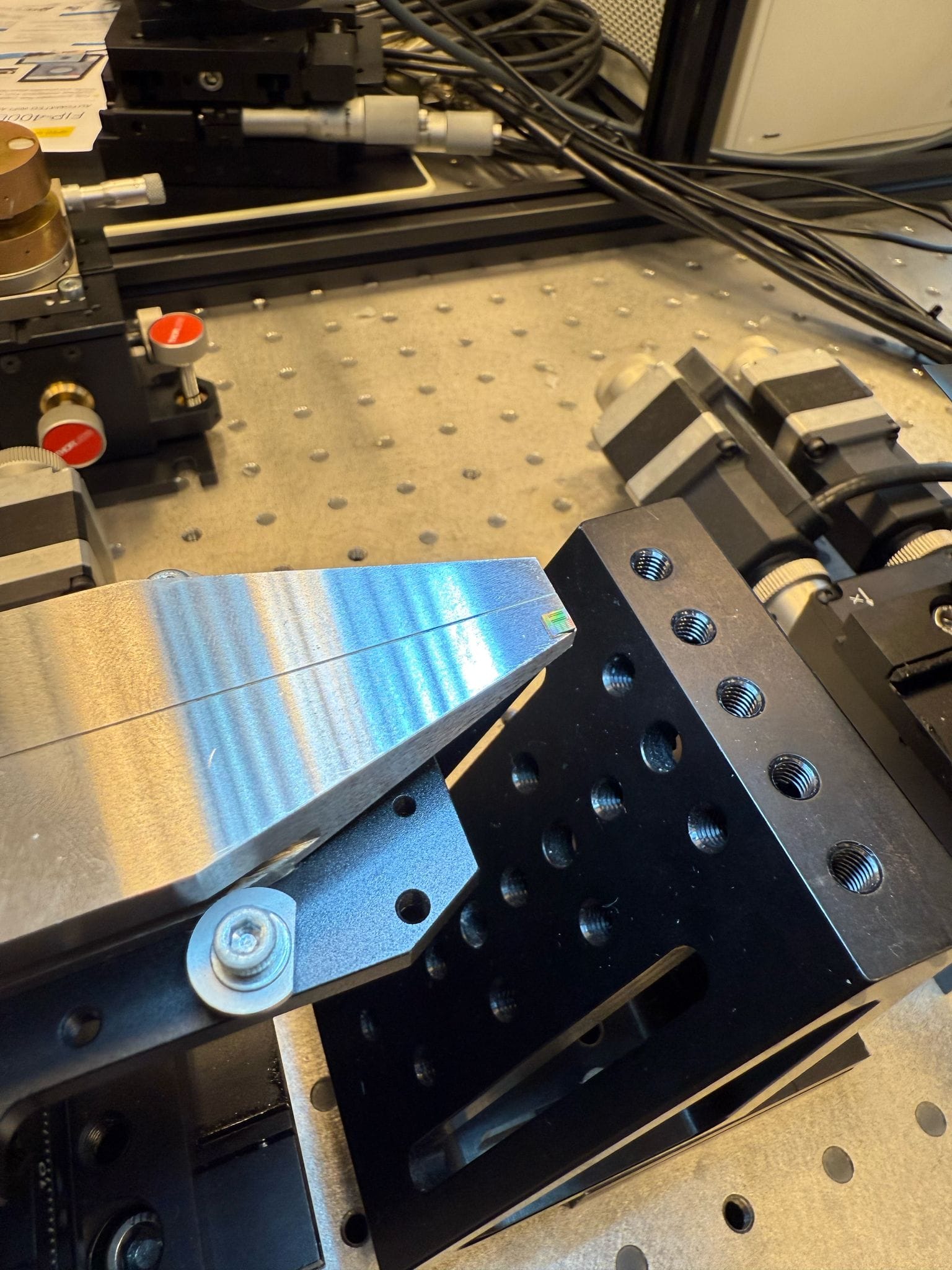
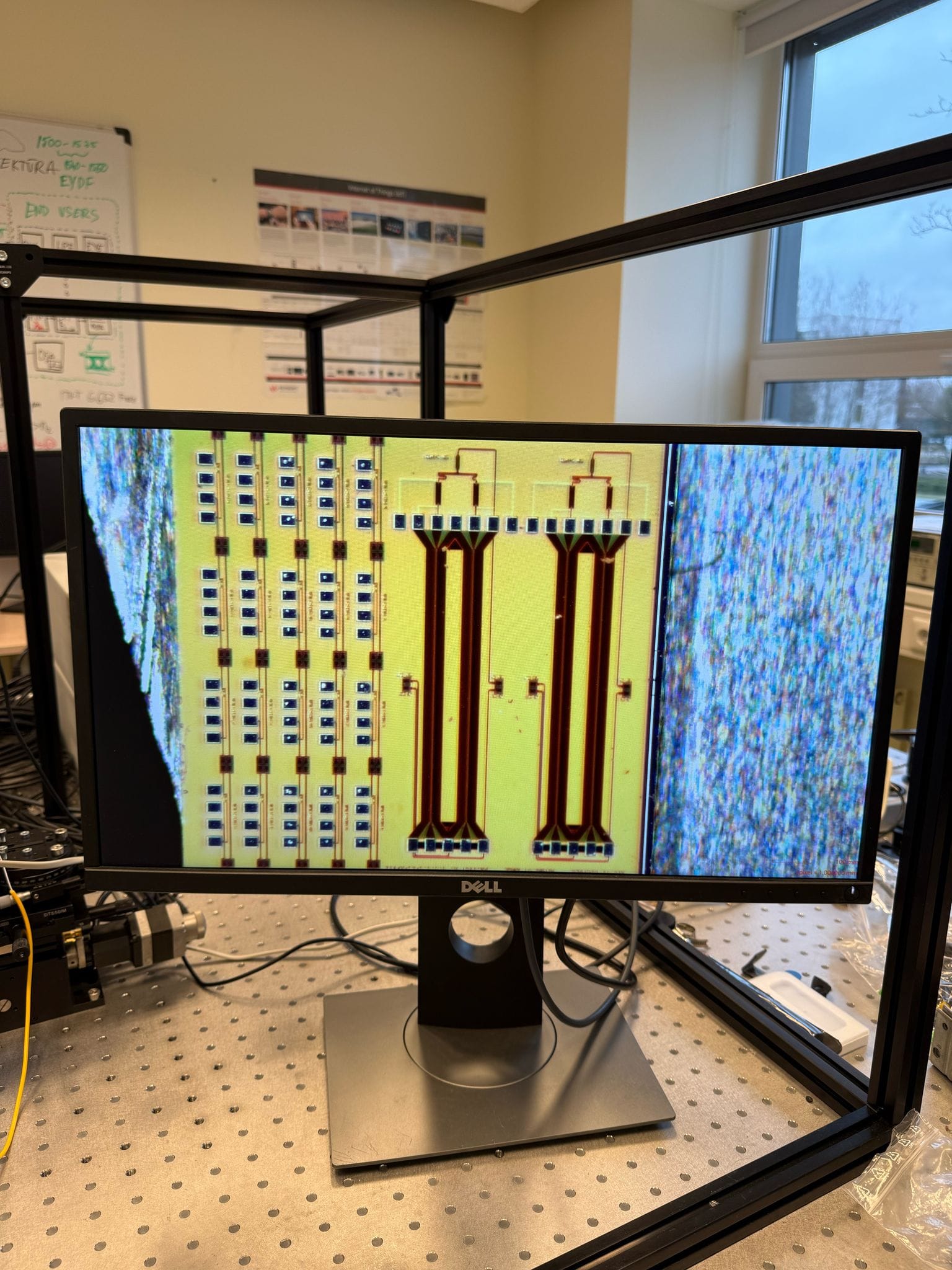
The chip itself is soo small a microscope is nessesary inorder to see it.
Elans Grabs: Building an Independent 5G Network
In the second part of our visit, we met Elans Grabs, an ambitious innovator working on developing his own 5G internet network. His goal is to create an independent internet system, eliminating the reliance on major telecommunications providers such as LMT and Bite. This groundbreaking initiative has the potential to revolutionize internet accessibility and decentralize network control, giving users more options and flexibility in how they connect to the web.
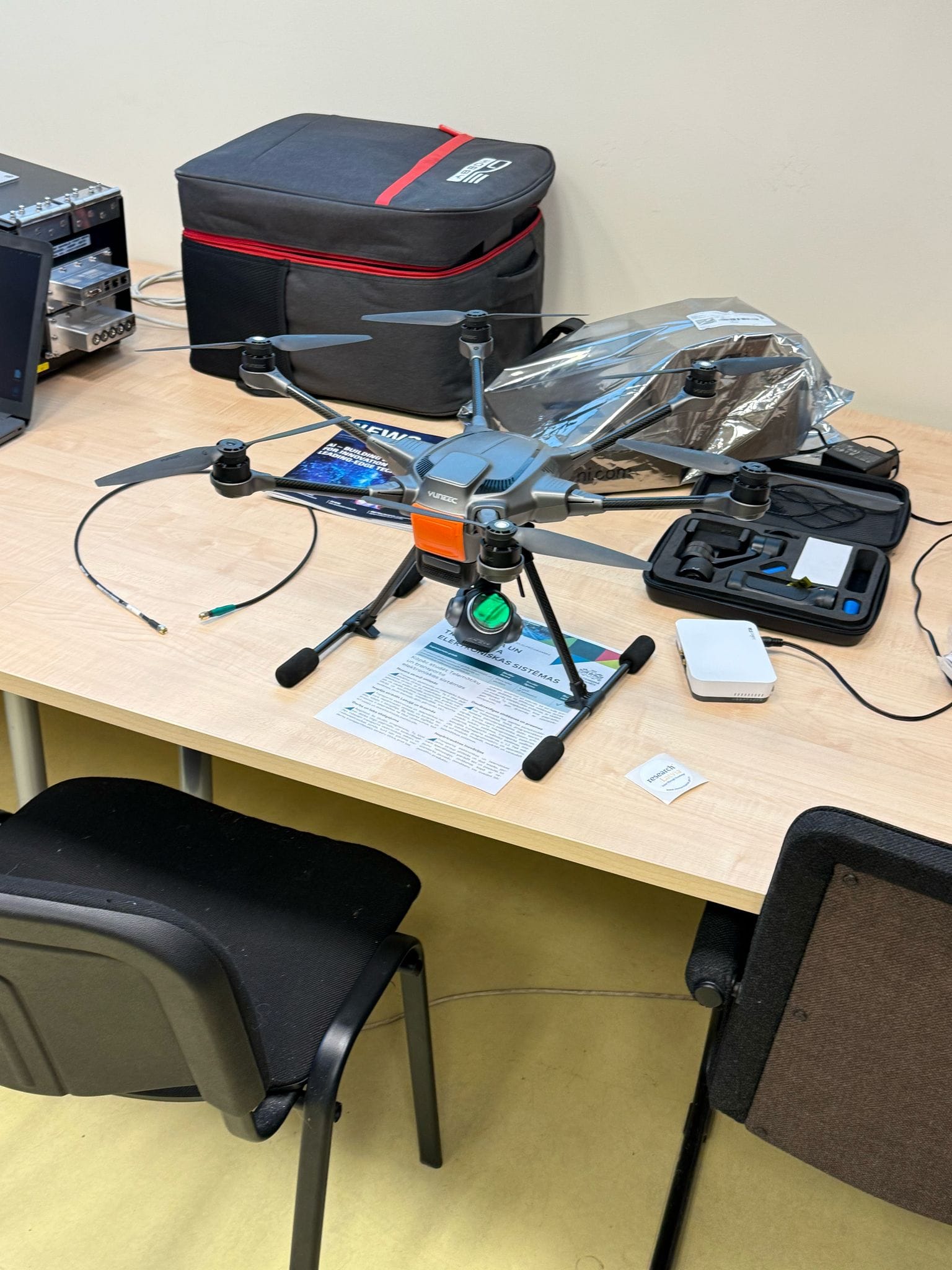
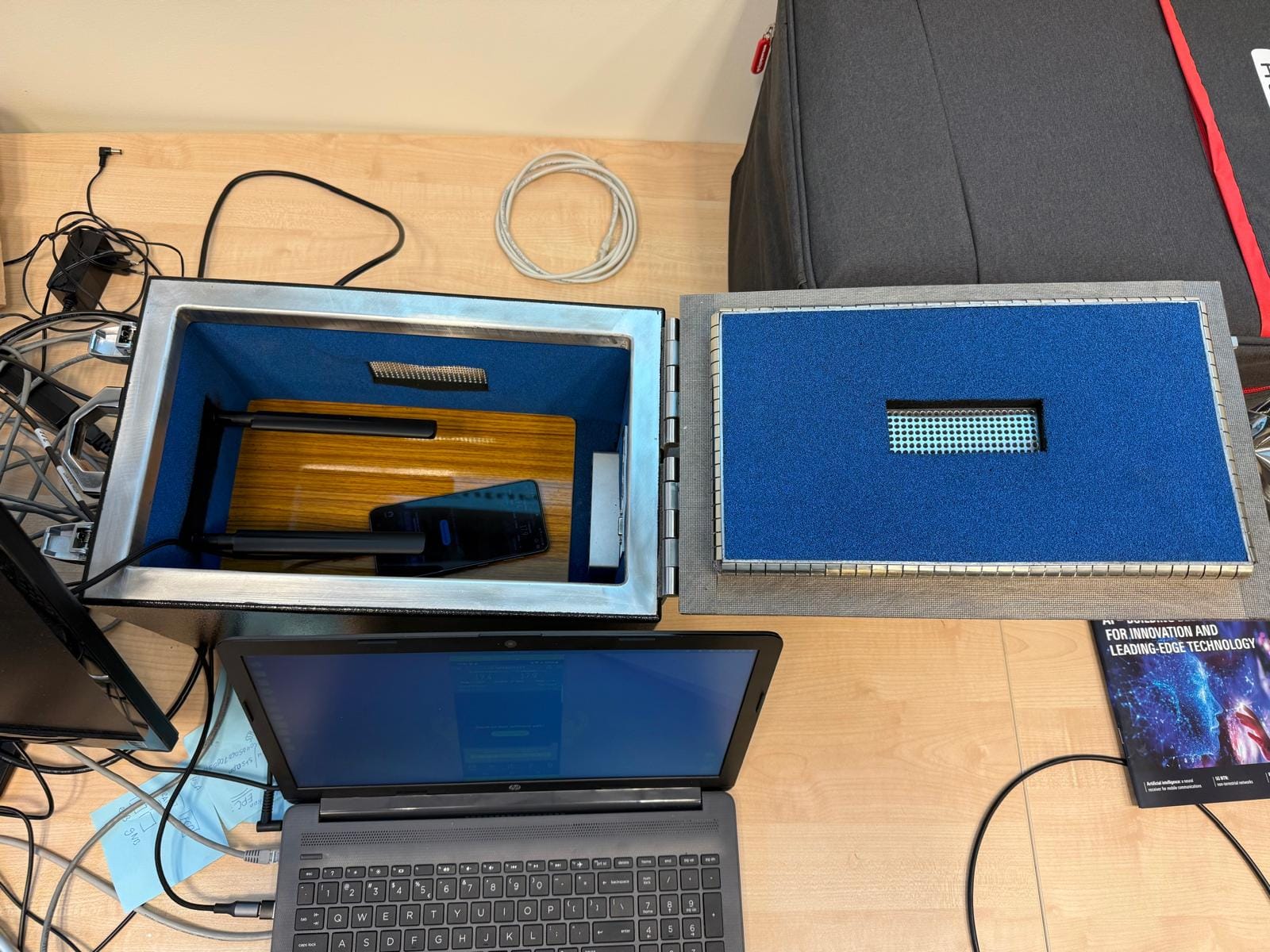
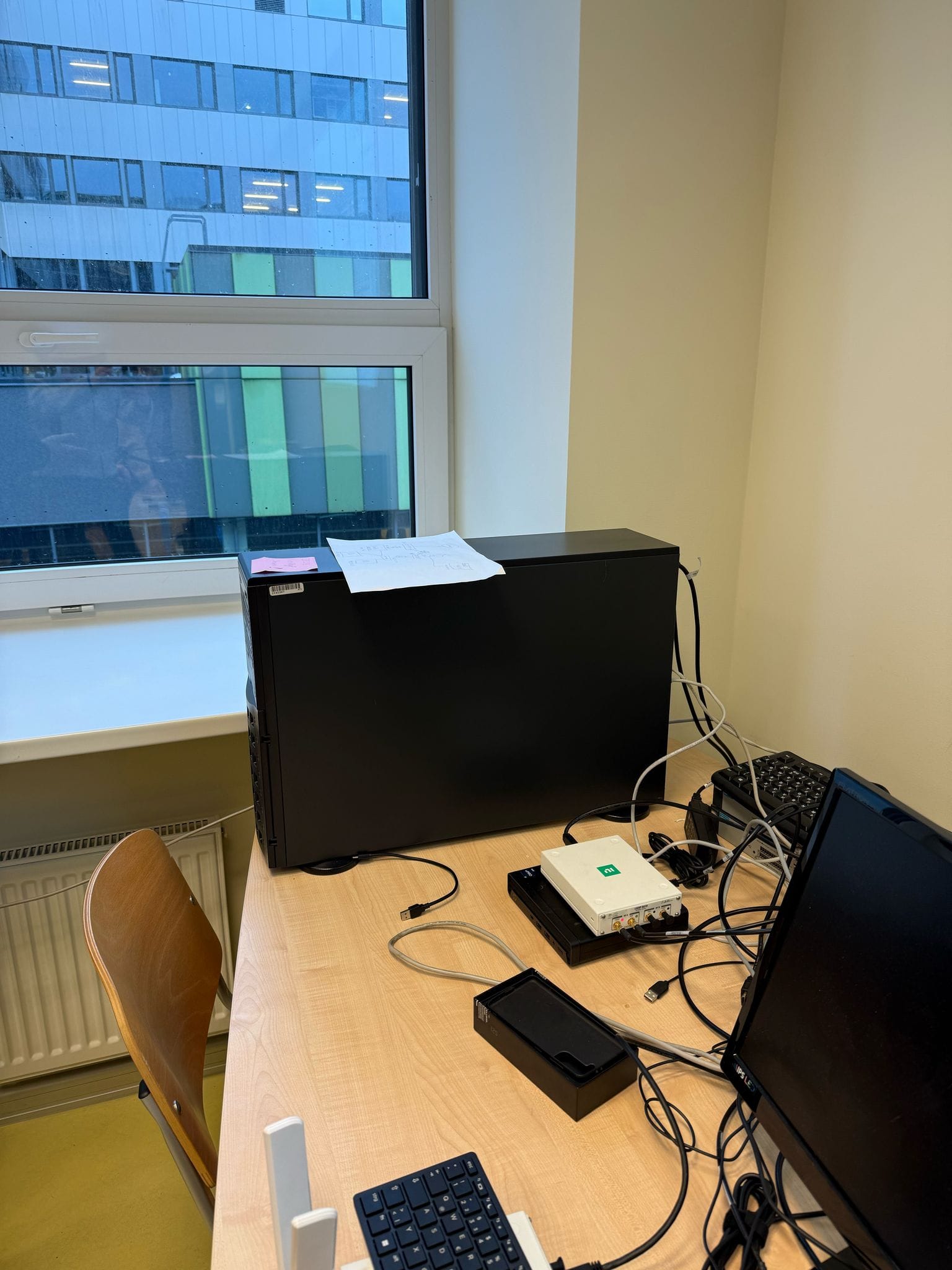
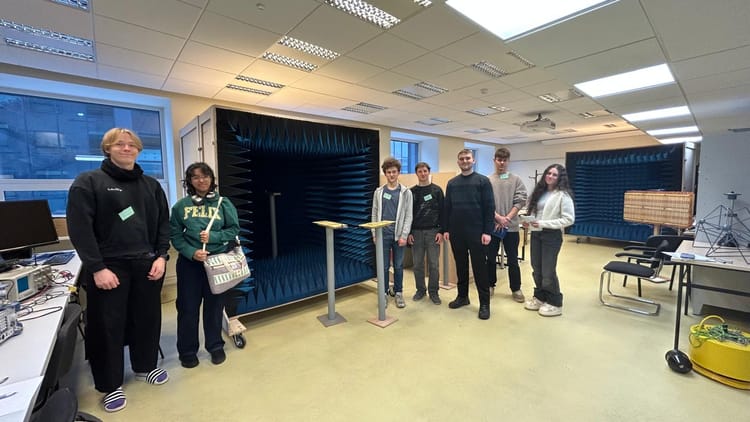
The blue box is the actual internet, and when in use it is closed, to ensure it cancels outside signals
Hands-On Experience: Optical Fiber Splicing
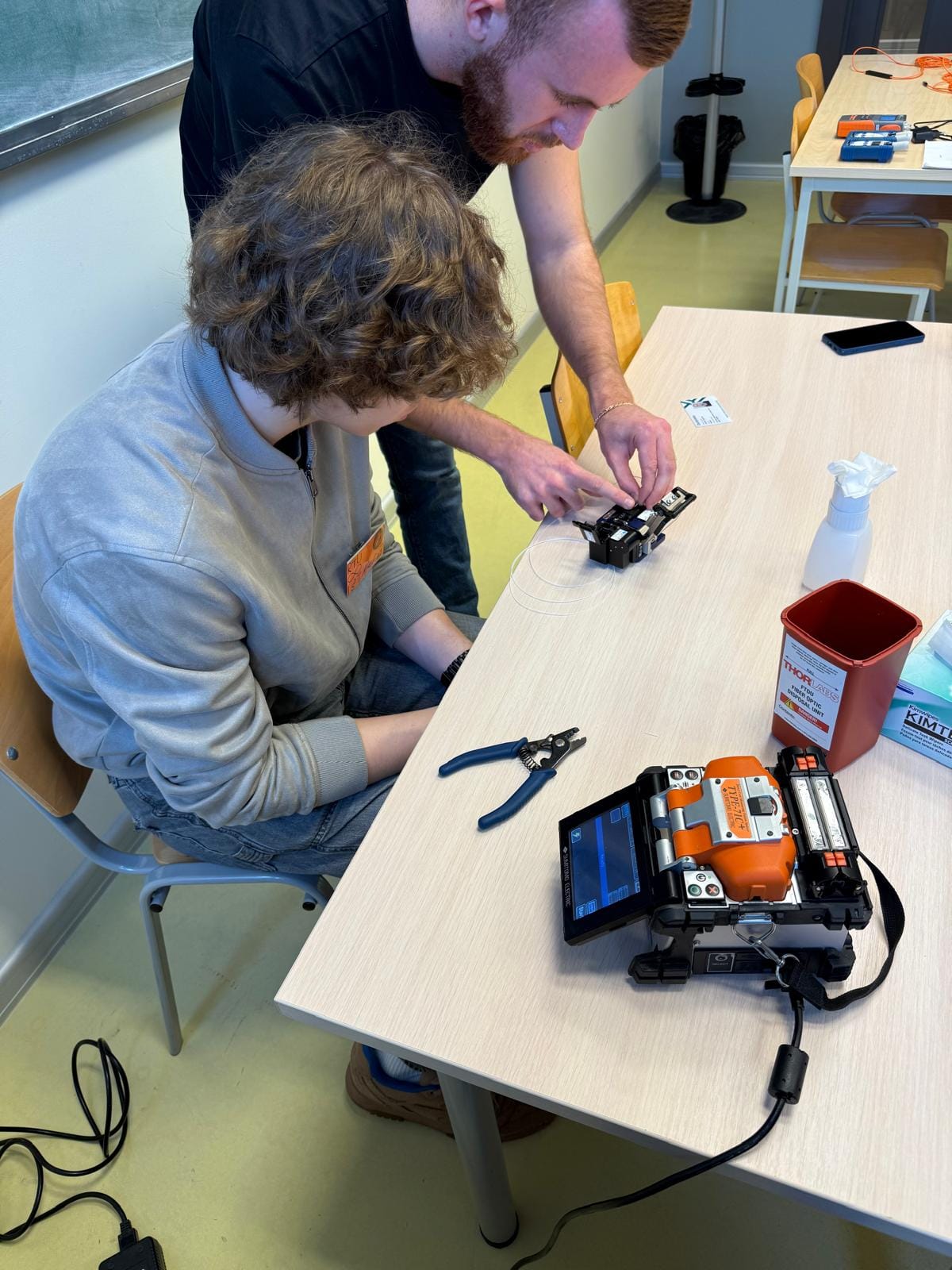
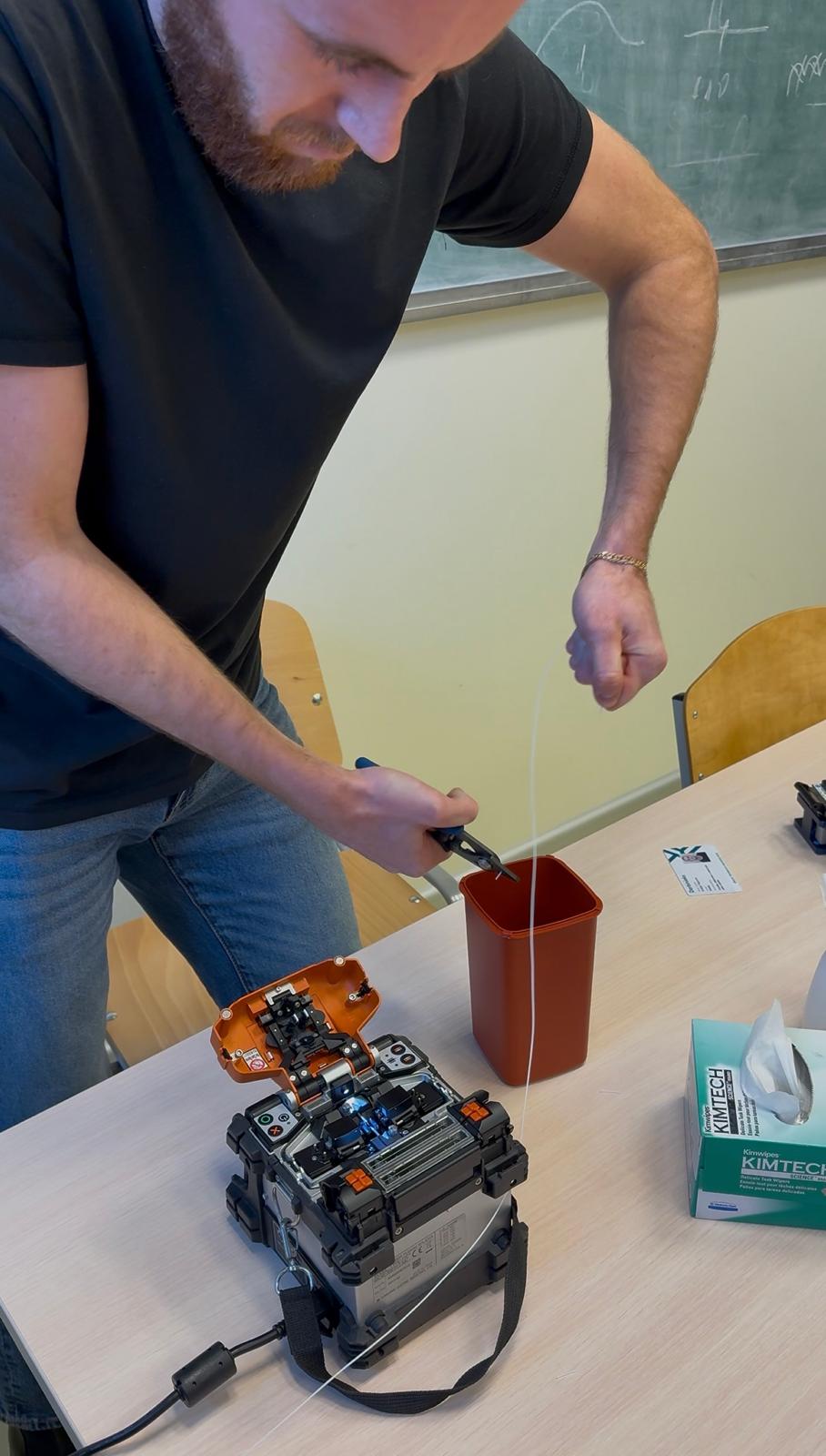
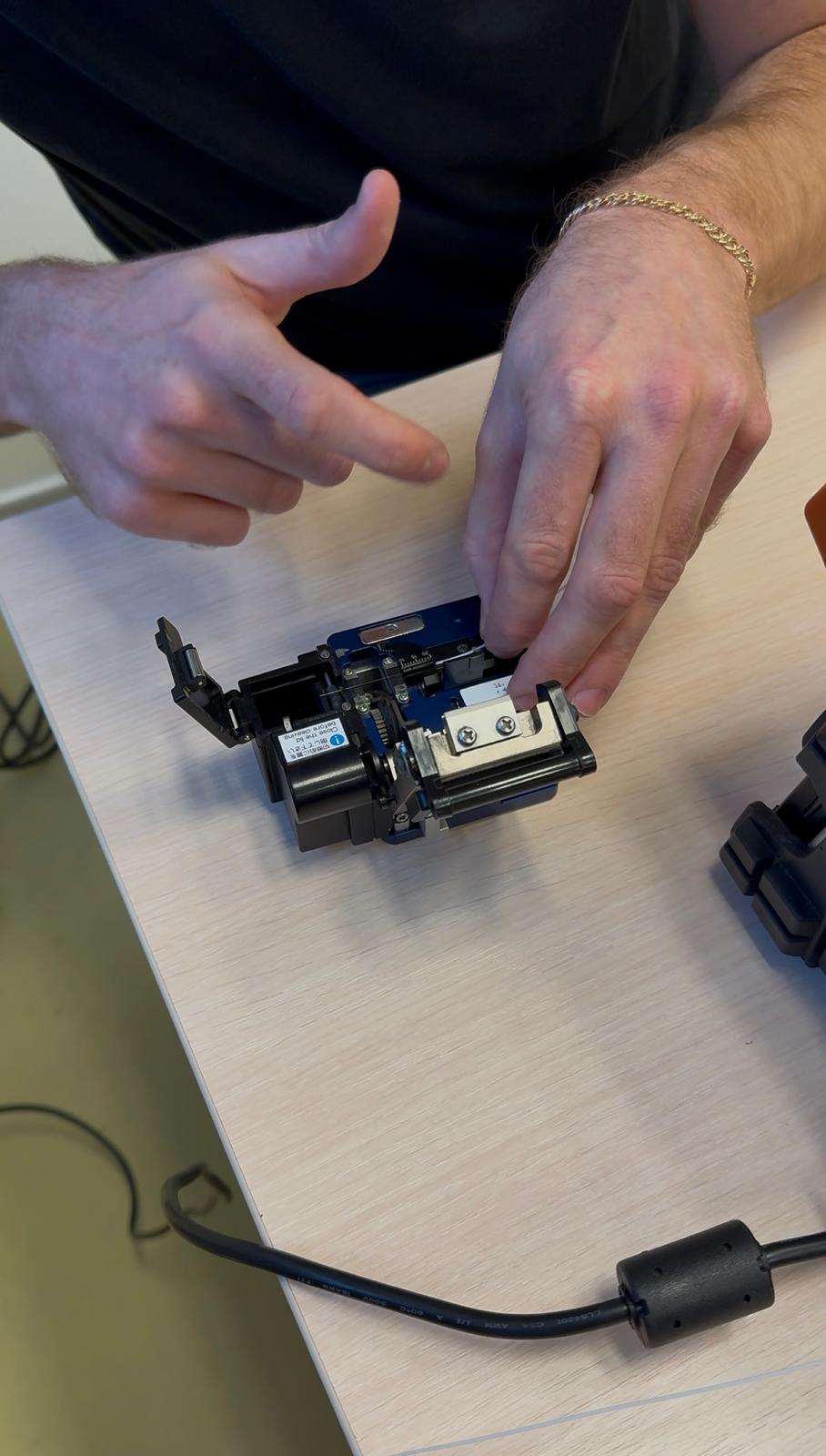
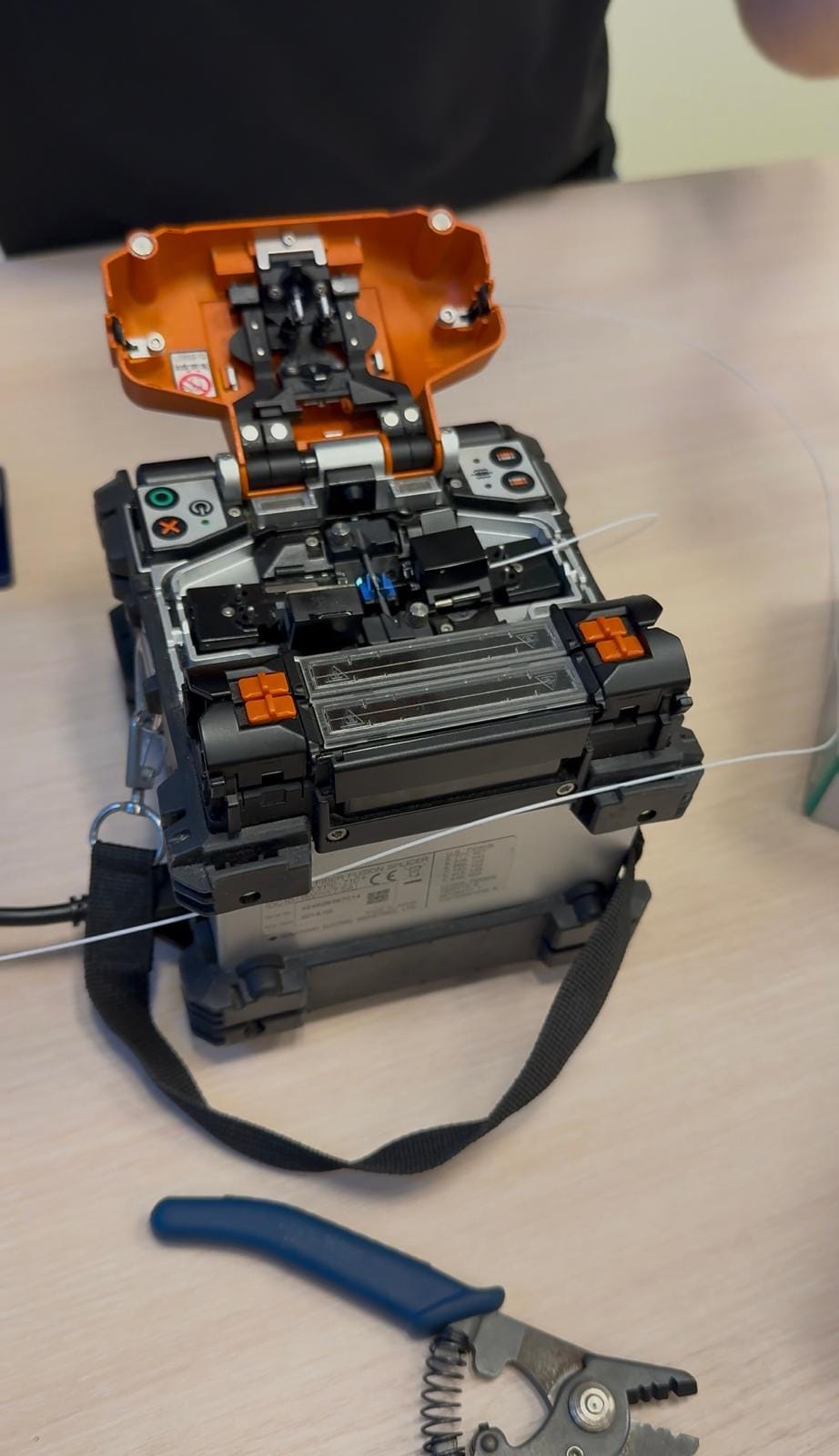
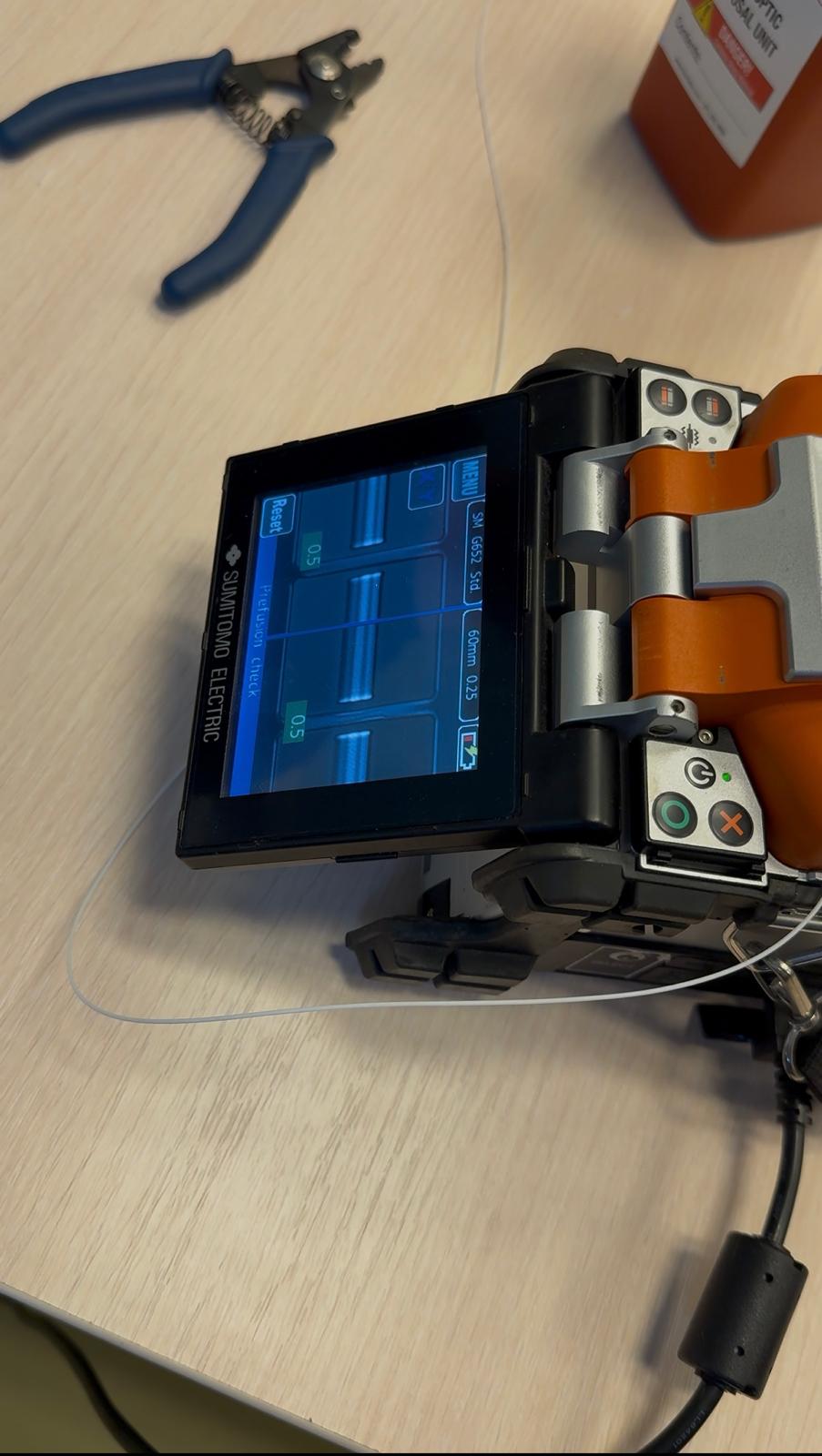
The final part of our visit gave us the chance to try fiber optic splicing firsthand. This process involves carefully aligning and fusing fiber optic cables to ensure seamless data transmission. The experience was both exciting and educational, as we used precision tools to connect the fibers. Fiber optic splicing is a crucial technique used in the installation and maintenance of high-speed networks, ensuring minimal signal loss and maximum efficiency. Getting hands-on with this process gave us a deeper appreciation for the precision and expertise required in fiber optic engineering.
The Importance of Fiber Optic Innovation
Our visit to RTU’s laboratories highlighted the vital role of continuous innovation in communication technology. From groundbreaking fiber optic research and world-record data transmission to advancements in photonic microchips and nanophotonics, the dedication of RTU’s researchers is shaping the future of global connectivity.
Beyond academic research, RTU’s impact extends into real-world applications—whether it’s Elans Grabs’ vision of an independent 5G network or the lab’s fiber optic monitoring systems enhancing urban infrastructure. Our hands-on experience with fiber splicing further reinforced the precision and expertise required to build the networks of the future.
As technology continues to evolve, institutions like RTU remain at the forefront of innovation, driving progress in high-speed communication and smart infrastructure. Our visit left us with a profound appreciation for the researchers who, with their expertise and passion, are pushing the boundaries of what is possible in fiber optics and beyond.
March 5, 2025
Martins Masals, Eriks Masals, Edvards Viss, and Karlis Avotins
Slides: