When Teenagers Become Reporters: RTU Lets Students Hold Up the Mirror Again
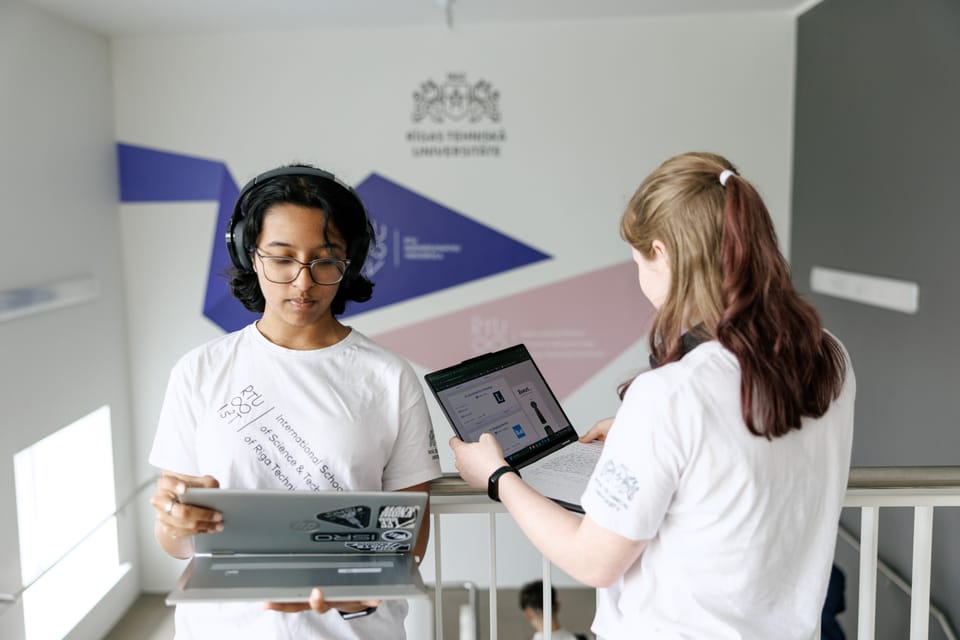
What happens when school students are allowed to walk into university laboratories not as visitors, but as journalists? At Riga Technical University, the answer is simple: they start asking better questions.
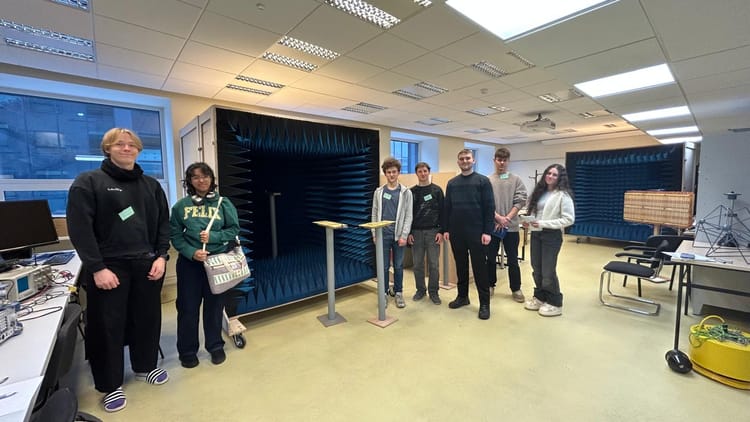
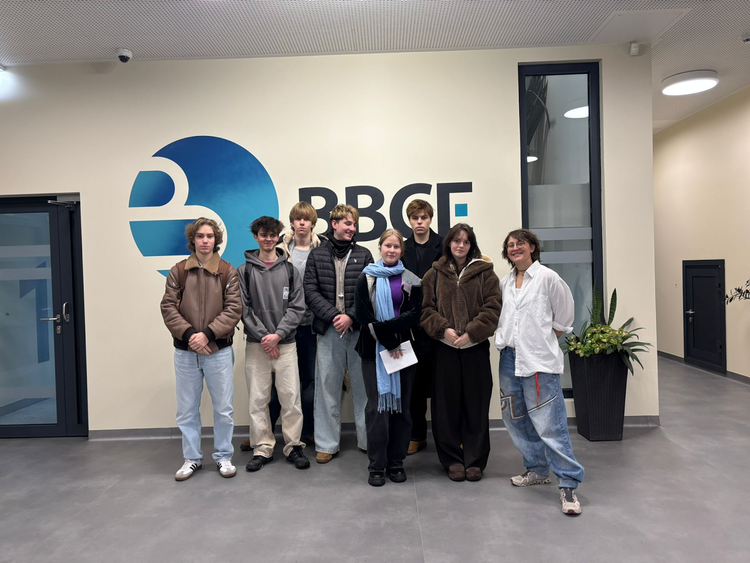
On 22 January, the RTU International School of Science and Technology hosted the second edition of the educational game “Journalist. A Mirror of Riga Technical University.” The event brought together Grade 10 students experiencing the game for the first time and Grade 11 students returning for a deeper look at the university’s research environment.
The format remains deliberately demanding. One working day, several unfamiliar locations, real conversations with specialists – and, by the evening, a set of journalistic materials that reflect what the students have seen, heard and understood.
Learning by Looking Closely
The game is built around a simple but strict idea: learning begins not with explanation, but with observation. Students work in small editorial teams and travel to different parts of RTU, each location offering a very different perspective on science, technology and applied research.
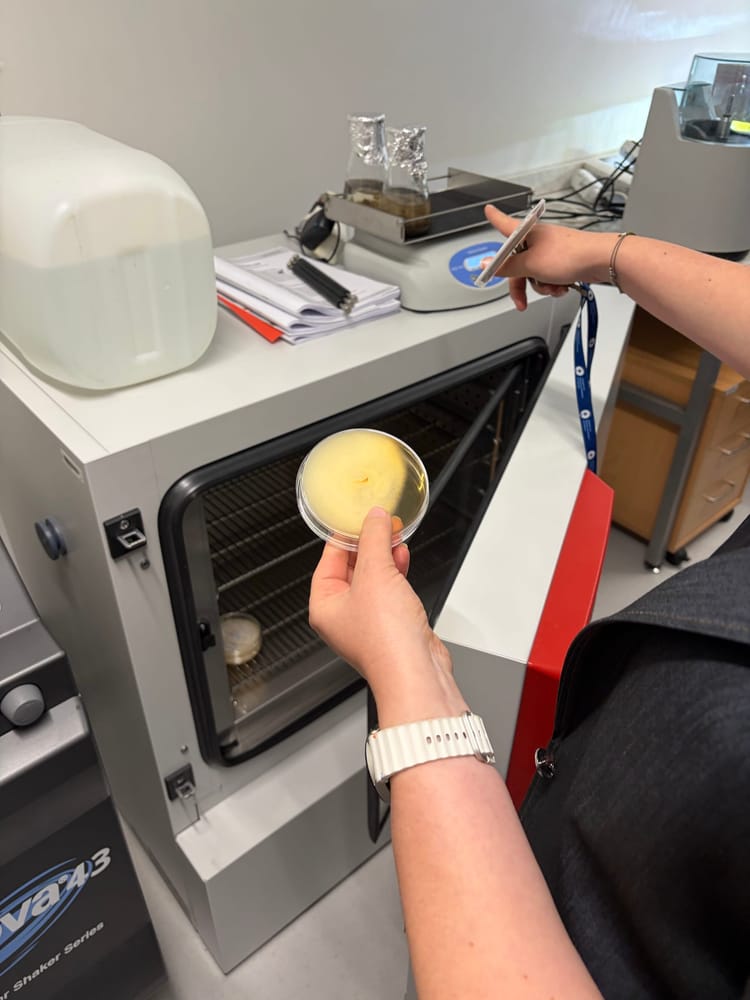
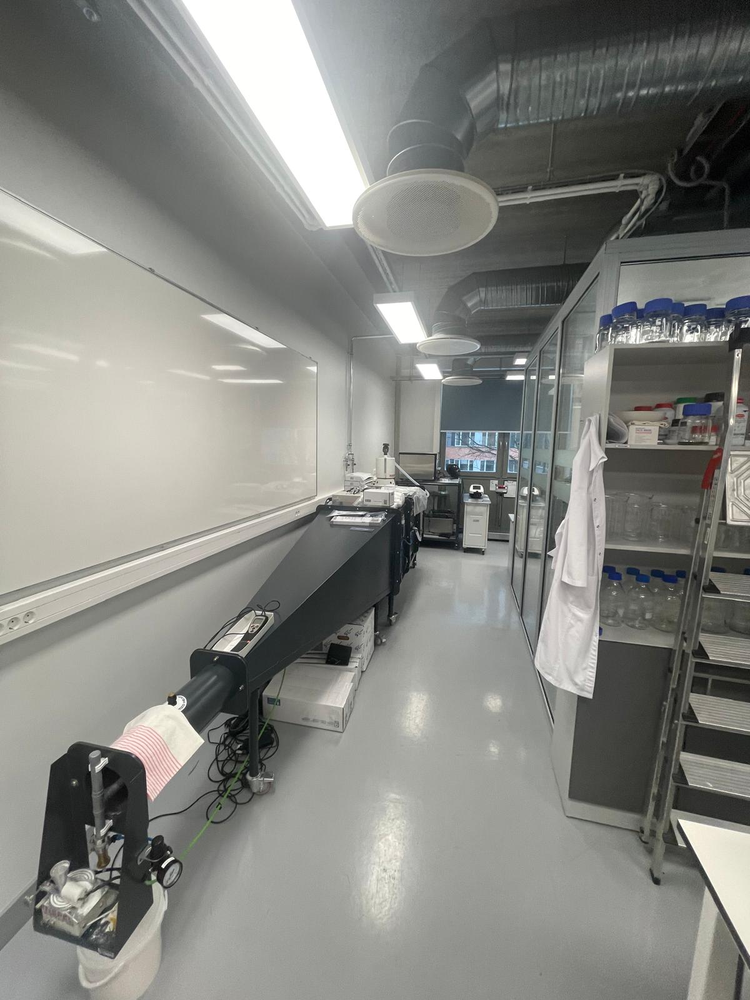
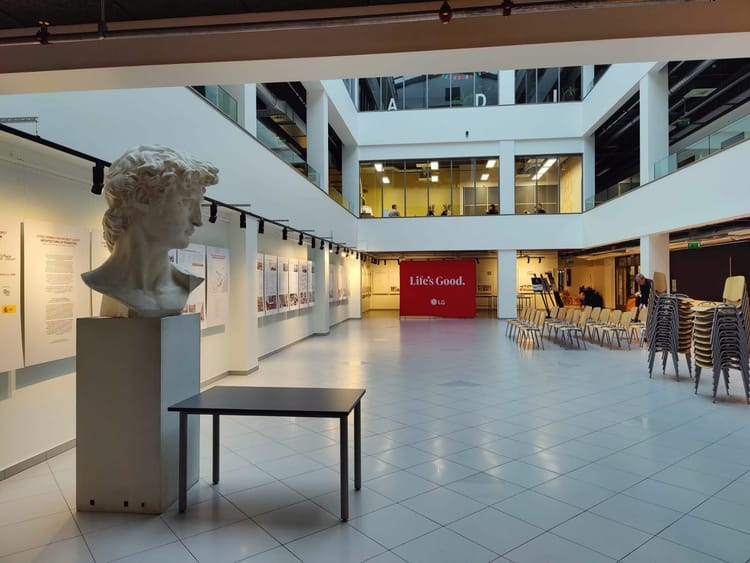
This year’s routes included the 3D Concrete Printing Scientific Laboratory, the Baltic Biomaterials Centre of Excellence, the Institute of Photonics, Electronics and Telecommunications, the Personal Protective Equipment Laboratory, Riga Business School, and the Water Systems and Biotechnology Institute.
At each site, students were expected to behave as real reporters. They asked questions, took notes, photographed details and tried to understand not only what was happening, but why it mattered.
The point is not to memorise information, but to enter a professional environment and learn how to think inside it – critically, attentively and independently. When students step into laboratories as journalists, they stop being observers and start becoming participants.
The “Mirror” Principle
The game’s subtitle is not a metaphor chosen for effect. The organisers treat reflection as a practical educational task. Students do not produce promotional texts or summaries prepared in advance. Instead, they create their own interpretation of what they have encountered.
This is where the university itself becomes a participant. By reading the students’ articles and watching their presentations, RTU staff are invited to see their work through unfamiliar eyes.
“It is useful to look in the mirror from time to time,” says Professor Juris Blūms, Chair of the RTU Senate and Director of the Institute of Physics and Materials Science. “Not only for individuals, but for institutions as well. Young people notice things we often overlook.”
Practice, Not Simulation
Unlike many educational simulations, the game deliberately avoids predictability. There is no guaranteed outcome, and no pre-written narrative. The responsibility for the result lies with the students themselves.
This uncertainty is part of the design. Working under time pressure, negotiating roles within a team, deciding what is important enough to publish – all of this mirrors real professional situations more closely than a classroom exercise.
Claudio Rivera, Bachelor's Programme Director at RTU Riga Business School and a Strategic Advisor at the Education Innovation Laboratory, sees this as a major advantage.
“When students interact with professionals on equal terms,” he notes, “they start to understand not only subjects, but careers. That understanding is difficult to teach in any other way.”
From University Corridors to Public Space
The work does not end at the university gates. After completing their materials, students will take part in a radio broadcast on Radio Naba as guests of the programme “Studentu pietura”, where university and school students discuss education, science and current ideas from their own perspective.
Participation in the broadcast allows the young authors to continue the conversation started during the game — this time in a public media space. It also reinforces one of the key principles of the project: reflection becomes meaningful only when it is shared and discussed beyond the classroom or laboratory.
Why It Matters
At a time when education often struggles to connect theory with reality, the “Journalist” game offers a rare combination: intellectual challenge, social interaction and genuine responsibility for one’s words.
For RTU, the event is a way to open its laboratories and classrooms without simplifying them. For students, it is a chance to test themselves in an unfamiliar role and discover how complex systems actually work.
Whether they choose careers in science, journalism or something entirely different, the experience leaves them with one lasting skill: the ability to look carefully – and reflect honestly.