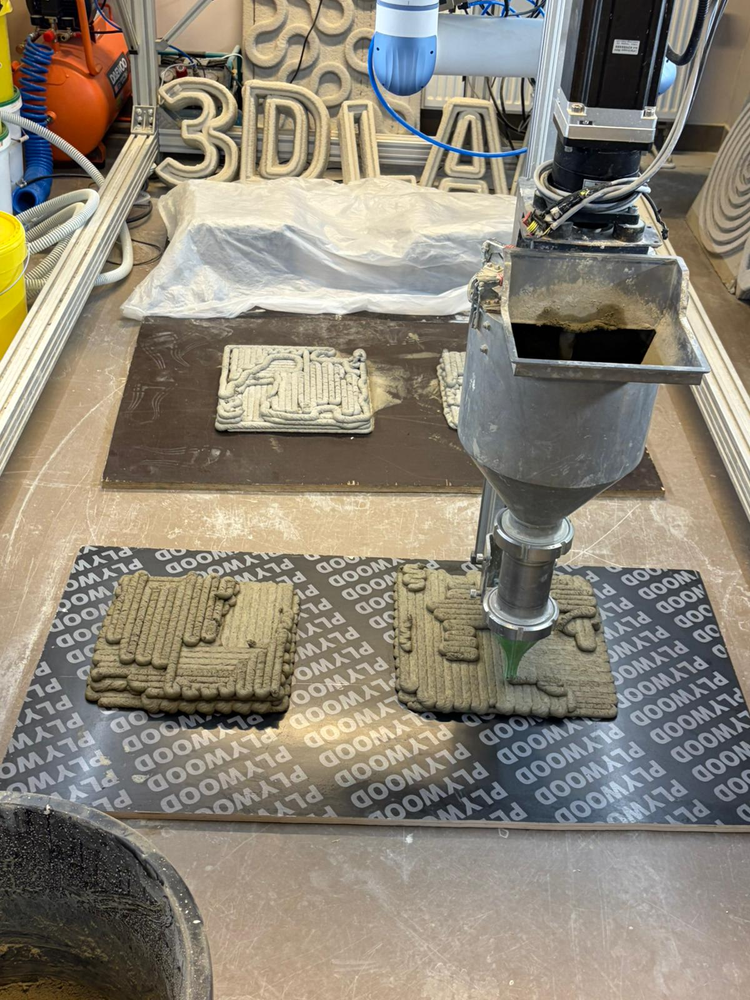
All About Intelligence At a Place Where The People Matter Most (RBS - AI Studio)
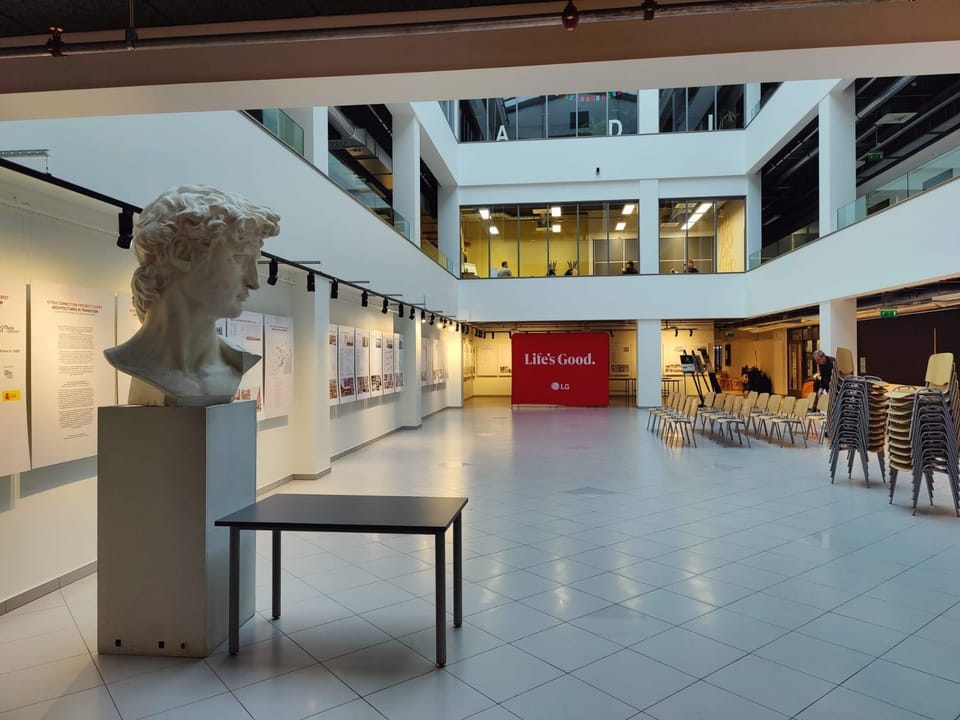
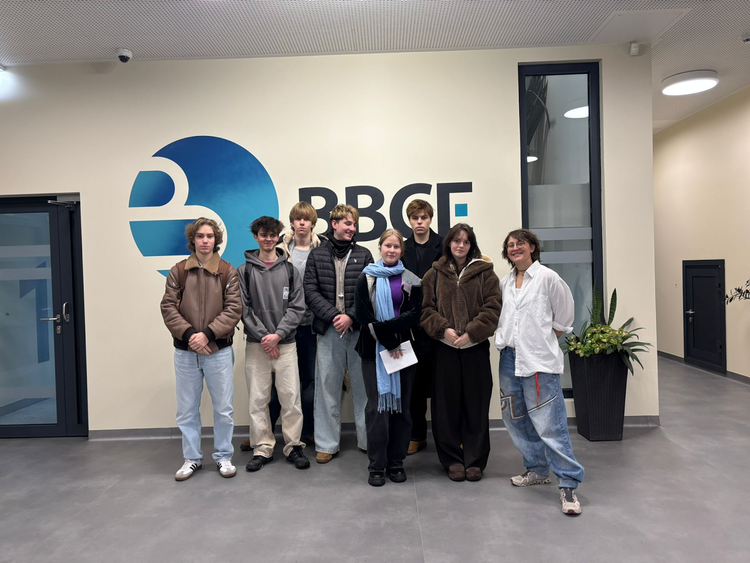
Our visit took us into a new learning environment — RBS, Riga Business School — where we met with a field professional, someone who works with the ever-changing and constantly evolving AI.
Kaspars Mezeriņš, Senior Project Manager at RBS and Director of AI Studio, leads a company that is a “hub where a diverse and engaged community comes together to unlock AI-driven opportunities for growth and competitiveness.”
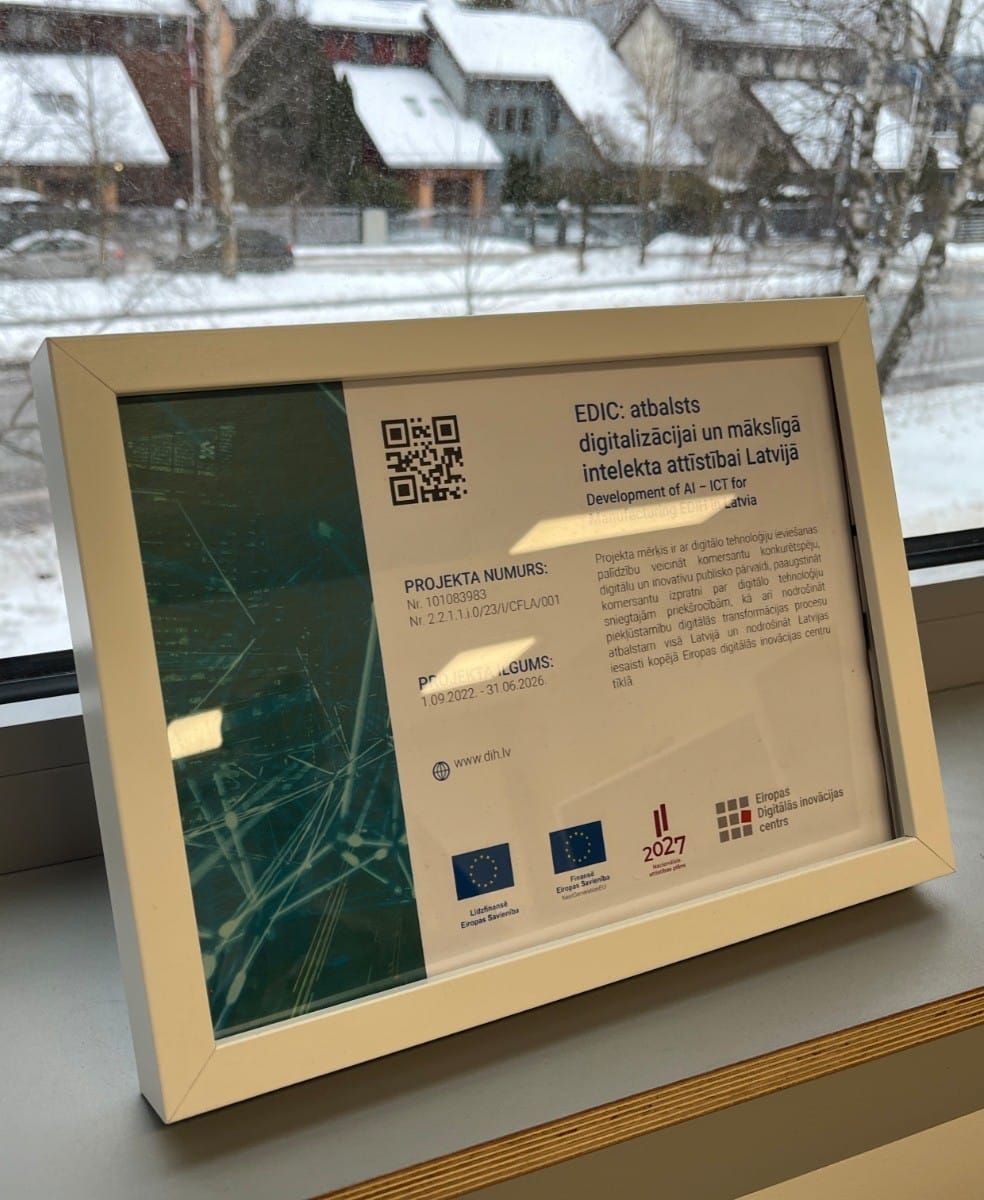
Kaspars has spent the last eight years working with artificial intelligence at Riga Business School, long before it became a daily headline. He is part of multiple innovation clusters, both Latvian and European, and has led multiple EU-funded projects, including one that is coming to an end this June. Managing and leading EU projects is something he does every day.
“It was before the OpenAI era,” he says. “I got into it while doing IT.”
That alone says how involved and interested he is in this field.
Learning That Happens Outside the Classroom
What stood out immediately was how different the educational model is. Here, learning is built around real life. Students getting their master’s degrees often study in the evening hours, allowing them to work in the fields that they are learning in during the day, while executive-level education happens during the day. The idea is simple: education should fit into life, not the other way around.
His core belief remains the same:
“AI is not for cheating, but to understand,” he says.
Keeping up is not easy. The tools change fast, expectations change even faster, and education has to constantly try to catch up.
“It is super difficult to keep up,” he admits. “The training approach will change.”
Starting Early and Leaving No One Behind
What makes RBS stand out from other universities is that education does not wait until you accept your offer. The school regularly organises guest lectures for high school students and runs the RBS Greenhouse program for motivated and career-driven students aiming at a future in undergraduate studies in English. The program immerses students in a hands-on approach and awards the winner with a scholarship for first-year studies at Riga Business School.
Three messages are always repeated during guest lectures for high schoolers:
- Self-learning is the key
- Do not be afraid of change
- Upskill yourself constantly
“Courage to test, courage to learn,” he says.
These ideas sound simple, but they are not easy to live by.

Summary of AI Applications
| AI Application | Function | Benefit |
|---|---|---|
| Internal Chatbots | Assist employees | Improves efficiency |
| Training AI Systems | Support new hires | Speeds onboarding |
| Predictive Models | Compare forecasts | Better sales decisions |
| Client Call Analysis | Analyze tone & signals | Better deal prediction |
| Acquisition AI | Support decision-making | Smarter long-term outcomes |
How AI Is Implemented Responsibly
Every implementation follows a clear structure:
- Initial Discussion – The company and AI team discuss what is possible, what is not, and what should never be done. This ensures the company understands what they truly need.
- Validation and Testing – The solution is thoroughly tested to ensure accuracy.
- Human Oversight – People must use the system, question it, and verify its output.
The human role in this is not optional. It is essential.
Why Europe Matters
One of the main things Kaspars is genuinely grateful for is working in the European Union.
“I am happy that we live in the EU,” he says.
Artificial intelligence in Europe is more regulated. There are strict rules against discrimination, profiling, and social scoring. While these regulations can slow AI development, they also protect people. Without them, AI can very easily become unfair, biased, or even harmful.
Is AI a Bubble?
When asked whether artificial intelligence is a bubble and where one should invest, Kaspars was cautious:
“It is difficult to judge.”
AI is growing fast, but not all of it will last. If he had to place a bet, he would look towards China — not because it is better or worse, but because of their scale, speed, and ambition.
Skills That Matter More Than Technology
Despite all the discussions around tools and systems, the most important skills have nothing to do with code:
- Communication
- Deal-making
- Standing your ground
- Courage
“It is all about networking,” he says. Technology can help, but it is the people who are making the decisions.
A Space That Reflects Growth
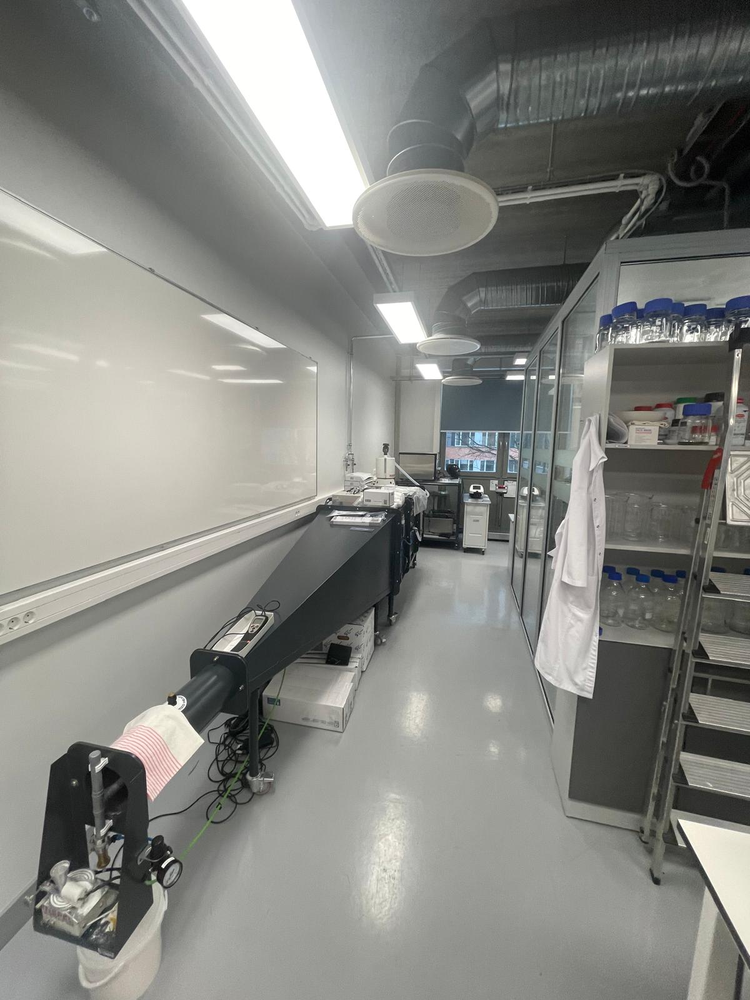
The space itself reflects this mindset. It is bright, clean, and full of natural light. There is no dust, no clutter. A clear upgrade from the previous space. It feels like a place where things are meant to happen and decisions are to be made.
EU Projects and Moving Forward
The logic behind multiple EU projects is simple: get seed money, grow, learn, and repeat. The current project may end in June, but the cycle continues.
In the end, the message is clear: AI will keep changing. Education will struggle to keep up if nothing happens. The only real solution is to keep learning.
“Every technique is generated so fast,” he says, “that you can only go forward.”
And perhaps that is the most valuable lesson of the day.
Main author: Anna Kalniņa
TEAM: Anna, Matīss, Amēlija, Kirils, Rolands, Glebs